

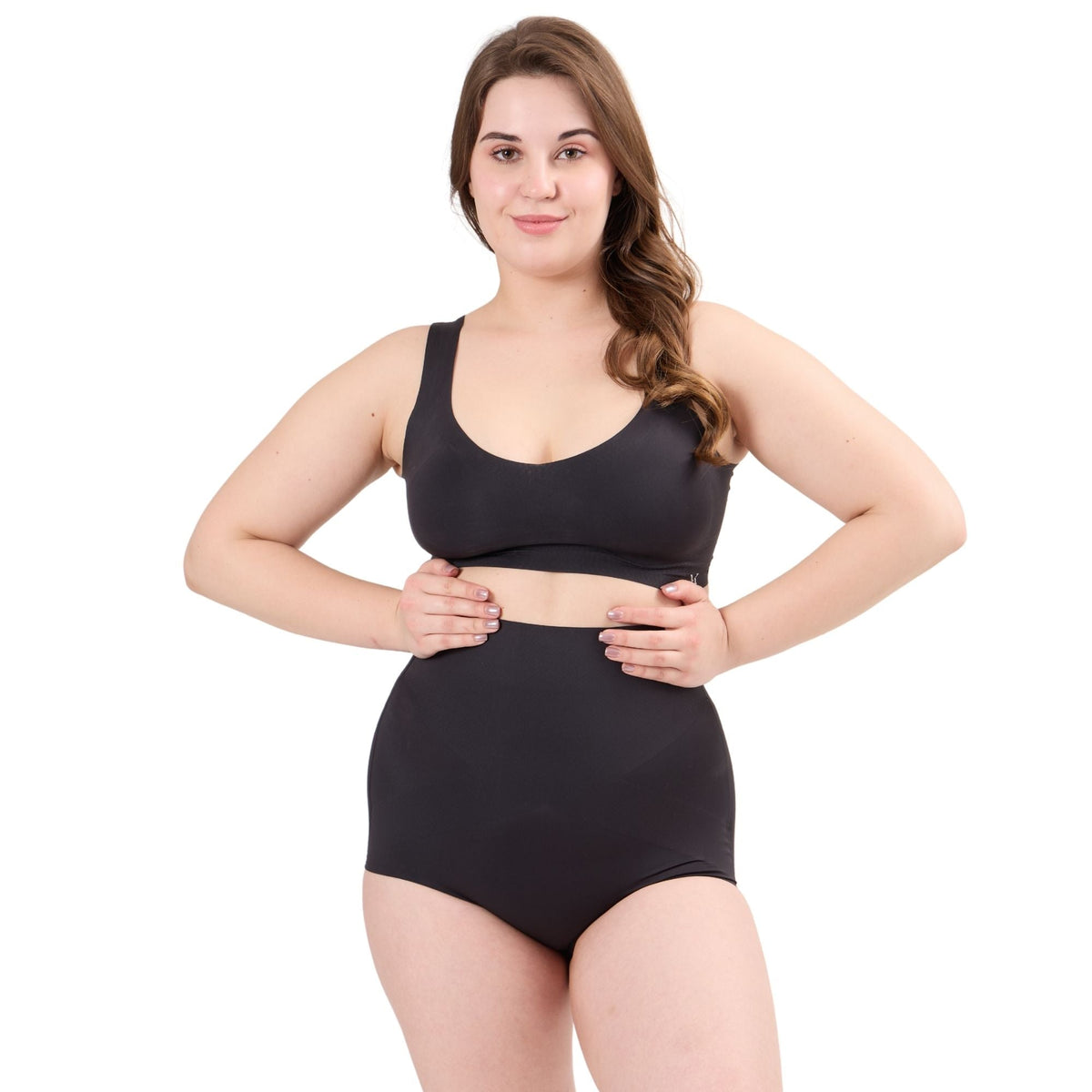
Shapewear Myths That Need to Die in 2026
Key Takeaways
-
Most shapewear myths come from conflating heavy compression garments with modern, well-made shapewear
-
Shapewear does not reshape your body permanently. It manages silhouette temporarily, which is exactly what it is designed to do
-
Wearing shapewear is not a statement about how you feel about your body
-
The right shapewear in the right size is comfortable enough to wear for a full day
-
Shapewear has genuinely improved. The 2026 version of it is not the rubber girdle of decades past
-
The only bad shapewear is shapewear in the wrong size or the wrong compression level for the occasion
Why These Myths Have Lasted So Long
Shapewear has a reputation problem that has very little to do with what the category actually is today.
Most of what people believe about shapewear comes from one of three sources: outdated garments from a generation ago, horror stories about extreme compression pieces worn in the wrong size, or a cultural conversation that conflated wearing shapewear with hating your body. None of these are accurate pictures of what modern shapewear actually does or how it is meant to be worn.
The myths have lasted because they contain just enough truth to feel credible. A girdle from the 1970s was genuinely restrictive. Shapewear in the wrong size genuinely is uncomfortable. And the cultural conversation around body image is real and worth having. But none of that makes the myths accurate, and in 2026 most of them are simply outdated.
Here is what actually needs to go.
Myth 1: Shapewear Is Supposed to Be Uncomfortable
This is the most persistent one, and it does the most damage because it leads women to tolerate discomfort that is actually just a sign of the wrong size.
The idea that shapewear should feel tight, restrictive, or require adjustment to get through the day comes from a time when compression was applied without much consideration for wearability. Garments were sized down aggressively, fabrics were stiff, and the logic was essentially that discomfort was the price of the result.
Modern shapewear is not built that way. A well-made shapewear piece in the correct size should feel firm but not restrictive. You should be able to breathe normally, sit down comfortably, and move without the garment rolling, digging, or shifting. If it is doing any of those things, the size or compression level is wrong, not the category.
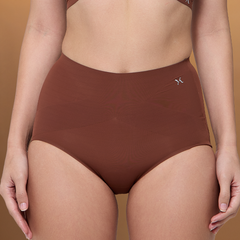
The Krvvy All Day Control Shaper is designed specifically around this principle. The name is not incidental. It is meant to be worn for a full day, which means the compression level is calibrated for comfort, not just for silhouette. If shapewear has felt punishing in the past, it is worth trying a properly sized piece before writing the category off entirely.
Myth 2: Shapewear Changes Your Body Permanently
It does not. It never has.
Shapewear manages the appearance of your silhouette while you are wearing it. When you take it off, your body returns to exactly how it was. There is no permanent compression, no fat redistribution, no lasting change in shape.
This myth tends to surface in two directions. The first is as a selling point that claims that regular shapewear use will "train" your waist or "sculpt" your figure over time. These claims have no basis in physiology. The second is as a criticism that wearing shapewear will make your muscles "dependent" on external support and weaken your core. Also not how bodies work.
What shapewear does is simple: it holds fabric close to the body, smooths the silhouette under clothing, and provides light compression that some women find comfortable and others do not. That is the full extent of it. The temporary nature is not a limitation, it is just what the product is.
Myth 3: Only Certain Body Types Should Wear Shapewear
Shapewear is a tool, not a prescription. There is no body type that is the correct candidate for it and no body type that should avoid it.
The logic behind this myth tends to go in two directions. One is that shapewear is only for larger bodies, which frames it as a corrective measure rather than a practical one. The other is that smaller bodies do not need it, which misses the point entirely, because need has never really been the right frame.
Women wear shapewear for a range of reasons: a smooth silhouette under a specific outfit, light compression that feels comfortable during a long day, the practical convenience of built-in support without a separate bra. None of these reasons are body-type specific.
The relevant question is never whether your body qualifies for shapewear. It is whether a specific piece in a specific compression level serves what you are trying to do on a given day.
Myth 4: Shapewear Is Bad for Your Health
This one requires some nuance, because there is a version of it that is true and a version that is not.
The true version: extremely tight shapewear worn for extended periods can restrict circulation, put pressure on internal organs, and exacerbate acid reflux or digestive discomfort. This is real, and it applies specifically to heavy compression garments worn in sizes too small for the wearer.
The untrue version: that all shapewear, at any compression level, causes harm. It does not.
Light to medium compression shapewear in the correct size, worn for a normal day, does not damage organs, restrict breathing, or cause any of the dramatic effects that circulate online. The key variables are compression level and fit. Shapewear that fits correctly does not compress beyond what the body handles comfortably. The problems arise when women size down to get more compression, which is both unnecessary and counterproductive.
The practical rule: if you cannot take a full breath, the size is wrong. Shapewear should hold, not constrict.
Myth 5: Wearing Shapewear Means You Are Insecure About Your Body
This is the myth that does the most cultural work, and it is also the least useful.
The logic is that choosing to smooth your silhouette under an outfit is evidence of body dissatisfaction that a woman who truly accepted her body would not reach for shapewear. This framing does not hold up.
Women wear shapewear for the same reason they wear structured blazers, high-waisted trousers, or any other garment that shapes the silhouette in a particular way: because they like how an outfit looks or feels when everything sits smoothly. It is a practical choice about clothing, not a statement about self-worth.
Body positivity and shapewear are not in opposition. You can feel entirely comfortable in your body and still prefer how a specific dress sits when you are wearing the All Day Control Shaper underneath it. These are not contradictory positions.
The more useful frame: shapewear is a tool. How you feel about your body is a separate conversation, and one that does not need to run through your underwear drawer.
Myth 6: All Shapewear Is the Same
It is not, and treating it as a single category is how women end up with the wrong piece for the wrong occasion.
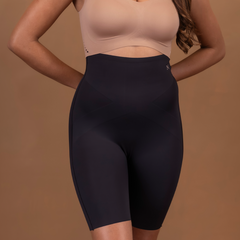
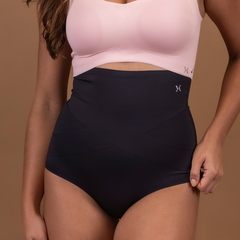
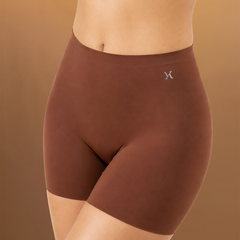
Shapewear ranges from light-compression seamless shorts that smooth without holding, to full-body pieces with significant compression designed for structured occasion wear. The compression level, coverage zone, and construction vary enormously across the category.
A few practical distinctions worth knowing:
Light compression styles work for everyday wear under dresses and fitted trousers. They smooth without restricting and are comfortable enough for long days.
Medium compression styles are suited for occasion wear, formal outfits, or any situation where a completely smooth silhouette is the priority. They provide more hold and are better worn for specific events rather than daily.
Full-body styles that include built-in bust support, like a shaping bodysuit, remove the need for a separate bra and work well under fitted dresses and jumpsuits.
Choosing the wrong compression level for the occasion is the main reason shapewear feels like too much or does too little. The category is broad enough to have a right answer for most situations.
FAQs
Can I wear shapewear every day?
Light compression shapewear in the correct size is fine for regular wear. Heavy compression pieces are better reserved for specific occasions. Comfort is the baseline. If you are adjusting, restricting your breathing, or relieved to take it off, the compression level or size needs revisiting.
Does shapewear actually work?
Yes, for what it is designed to do: smooth the silhouette under clothing and provide light compression. It does not permanently alter the body, and it works best when the fit is correct. A well-chosen piece in the right size does exactly what it promises.
How do I know what size to buy?
Go by your actual measurements, not by the size you wear in other clothing. Shapewear sizing is specific, and sizing down to get more compression is one of the most common mistakes. The garment should feel firm and smooth, not tight or restrictive.
Will shapewear show under fitted clothing?
Good seamless shapewear should not. The edges are the main thing to check. Laser-cut or bonded edges sit flat and do not create a visible line under fabric. Avoid styles with lace trim or sewn edges if you are wearing something fitted and thin.
Is shapewear suitable for postpartum wear?
Light compression shapewear can be comfortable postpartum, but timing and medical context matter. It is worth checking with a doctor before wearing compression garments in the early postpartum period, particularly after a caesarean section.