
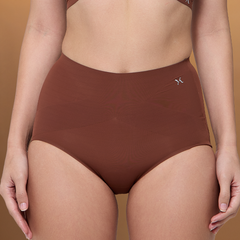
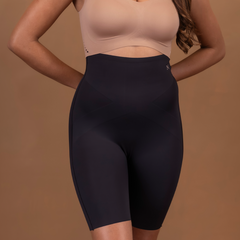
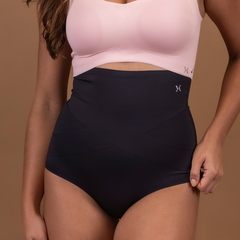
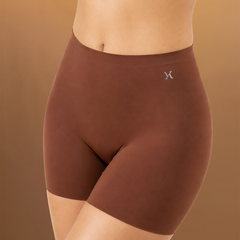

Best Shapewear for Pear-Shaped Bodies: What Actually Works?
Bought shapewear that fit your waist perfectly but squeezed your thighs too much? Or maybe it kept rolling down every time you sat? That’s...
Read article
184 posts
Bought shapewear that fit your waist perfectly but squeezed your thighs too much? Or maybe it kept rolling down every time you sat? That’s...
Read articleEver ordered your usual bra size online only to find it suddenly feels too tight, too loose, or completely uncomfortable? You’re not imagining it....
Read articleYour bra should be the last thing you think about during the day. But if you’re constantly adjusting straps, feeling uncomfortable in humid weather,...
Read articleEvery saree lover knows this feeling. You spend so much time choosing the perfect saree, blouse, jewelry, and makeup… but somehow the drape still...
Read articleDeep neck blouses can instantly make an outfit look stylish, modern, and fashionable. Whether it’s a saree, lehenga, or fusion outfit, the right neckline...
Read articleThe bodysuit has become one of the most versatile staples in the modern wardrobe. It solves one of the most common styling frustrations: tops...
Read articleA quality pair of nipple covers, used and cared for correctly, can last for months. They solve some of the most stubborn wardrobe problems...
Read articleFew wardrobe pieces solve as many styling problems as quietly as a bodysuit. It stays tucked, creates a clean line under high-waisted bottoms, and...
Read articleThe wardrobe Indian fashion built and a bra can’t handle. Indian fashion has always asked a lot of the women who wear it. Backless...
Read articleThe thighs are one of the most overlooked areas when it comes to shapewear and one of the most practical to address. A good...
Read articleThe wardrobe problems a bra can’t solve There’s a whole category of wardrobe situations bras simply can’t fix. Backless blouses. Deep necklines. Strapless dresses....
Read articleThe options for a body shaper for women are overwhelming. Bodysuits, shorts, high-waist briefs, waist cinchers, thigh shapers, each promising to smooth, sculpt, and...
Read articleA bodycon dress looks effortless on a hanger and demands everything from what's underneath it. The fabric clings. Every line shows. Every seam, every...
Read articleIf there's one area most women want help smoothing, it's the midsection. The tummy and waist are where the best shapewear for tummy and...
Read articleWedding season is one of the most exciting times, especially for brides. From pre-wedding functions to the big day itself, every outfit matters. But...
Read articleTank tops are one of the easiest pieces to style, especially in warm weather. They are lightweight, versatile, and work for everything from casual...
Read articleFinding the right everyday bra for Indian women shouldn't feel like a full-time search, yet most of us end up reaching for the same...
Read articleThe idea behind skin tone lingerie is simple: underwear that matches your skin so closely it disappears under clothing. In practice, it has never...
Read articleFinding the most comfortable bras for Indian women is harder than it should be. Most brands design for Western body proportions, use fabrics that...
Read articleIf there's one area most women want help smoothing, it's the midsection. The tummy and waist are where shapewear can make the most visible...
Read articleIf you have a heavy bust, you’ve probably spent years adjusting, readjusting, and giving up. Straps pulled to their tightest. A band that won’t...
Read articleWhen shopping for bras, many women hear the same advice: buy what feels comfortable. That sounds practical, but it does not explain why some...
Read articleLet's be honest, thong underwear is one of the most talked-about, most misunderstood styles in any wardrobe. Some women swear by them for everyday...
Read articleFinding the best underwear for women sounds simple, until you're standing in a store or scrolling through hundreds of options online with no real...
Read articleThe line between innerwear and outerwear has been shifting for years, and the bralette sits right at that boundary. What began as a wire-free,...
Read articleIf you have sensitive skin, finding a bra that actually feels good for an entire day can feel like an impossible task. The itching,...
Read articleThe Indian innerwear market has changed significantly over the last decade. What was once dominated by a handful of legacy names now includes newer...
Read articleChoosing the right bra can make a big difference in how comfortable and confident you feel throughout the day. Among the many options available,...
Read articleShapewear has become a big part of modern wardrobes, especially among Gen Z. From everyday outfits to special occasions, more people are exploring shapewear...
Read articleChoosing the right bra can completely change how an outfit looks and feels. The right innerwear not only supports your body but also shapes...
Read articleShapewear is designed to gently smooth, support, and enhance your natural silhouette under clothing. Rather than changing your body, it works as a foundation...
Read article70 seconds. That’s all one has to sum up years of hard work and resilience of starting a brand on Shark Tank India, and...
Read articleThongs are polarising: are they comfortable confidence boosters or old-fashioned painkillers? Thongs for women are the solution to the visible panty line crisis that...
Read articleChoosing lingerie pieces that harmonise with natural features turns everyday essentials into confidence boosters. Indian women master this art of pairing lingerie shades with...
Read articleWomen with sensitive skin struggle daily with itching, rashes, and redness from ordinary bras. Rough fabrics, metal hooks, and seams turn comfortable essentials into...
Read articleBralette bras take winter layering to the next level and are wireless and comfortable under thick sweaters, without any tight wires to bind her....
Read articleA bodysuit for women is the solution to everyday dressing problems; it is smooth and does not slip or bunch when hugging the curves....
Read articleIntroduction Many women look for underwear that rests on the body in a calm, steady way without sharp edges or sudden squeeze marks. Boyshorts...
Read articleIntroduction Choosing a bra sounds simple until it becomes a real task. Different fabrics, cuts, straps, padding levels, and even the mood of the...
Read articleIntroduction Women with large breasts have to deal with the problem of finding a comfortable bra for women that can provide them with the...
Read articleIntroduction A body shaper for women is a fashion accessory to flatten and shape their bodies underneath clothing. This blog will highlight the main...
Read articleIntroduction The T-shirt bras are designed to look seamless under tight-fitting garments. The cups' main feature is their smooth material, which leaves no lines...
Read articleIntroduction Most women discover early that one bra cannot work for every outfit or every day. Clothes change, body shape shifts a little through...
Read articleIntroduction Nipple covers are more than an accessory; they are fashion's best-kept secret. These small, yet significant accessories are becoming increasingly popular among women...
Read articleIntroduction Ever felt your underwear riding up, causing itching and irritation? Well, you have the wrong size on! That is why, when choosing the...
Read articleIntroduction In today's time, the current lingerie trends reflect more than just aesthetic appeal or everyday wear that feels too restrictive—shifting focus on comfort,...
Read articleIntroduction An ill-fitting bra never serves any good purpose, causing discomfort and improper posture that can also ultimately impact your confidence. That is why...
Read articleIntroduction Today, there are a variety of underwear styles available—and among them, hipster underwear for women stands out in its own right. With time,...
Read article10% OFF for your first order. Use code NEW10
Your cart is currently empty
Start typing to see results
Your wishlist is currently empty
Your list is currently empty


