

Can You Wear Shapewear to the Gym? The Honest Guide
Key Takeaways
-
Wearing shapewear to the gym is a personal choice and a practical one, not something that needs justifying
-
The right shapewear for gym use is specific, light compression, breathable fabric, and secure fit matter more than they do for occasion wear
-
Heavy compression shapewear is not suitable for exercise and can make movement harder and heat management worse
-
For low to moderate intensity activity, well-chosen shapewear works without getting in the way
-
The confidence that comes from feeling held and smooth during a workout is a legitimate reason to wear shapewear, full stop
-
The wrong shapewear for the gym creates real problems, the right shapewear does not
The Question Women Do Not Feel Comfortable Asking
Gym culture has an unspoken dress code. Leggings, sports bras, fitted tops. The assumption is that everyone is dressed for maximum performance, that comfort and function are the only variables, and that anything worn for any other reason is somehow out of place.
Within that context, the question of whether to wear shapewear to the gym rarely gets asked out loud. Women who want to wear it, who feel more comfortable and confident with a smooth layer underneath their gym clothes, tend to either just wear it quietly or talk themselves out of it based on a vague sense that it is not what you are supposed to do.
This guide exists to answer the question honestly. Can you wear shapewear to the gym? What works and what does not? And why the confidence reason is as valid as any other.
Why Women Want to Wear Shapewear to the Gym
Before getting into what works practically, it is worth naming the reasons women reach for shapewear at the gym, because they are legitimate and deserve to be treated that way.
Feeling held and contained during movement. The gym involves a lot of movement, bending, stretching, jumping, lifting. For many women, the feeling of light compression holding the midsection during that movement is genuinely comfortable and grounding. It is the same reason compression leggings feel better for some women than loose shorts. The compression is not about hiding the body. It is about feeling physically settled during activity.
Confidence under fitted gym wear. Gym clothing is fitted by design. Leggings and fitted tops sit close to the body in a way that everyday clothing does not. For women who feel more comfortable with a smooth layer underneath, shapewear under gym clothes provides the same function it provides under a fitted dress. The gym being a public, body-conscious space makes this more relevant, not less.
Managing the midsection during core work. Some women find that light abdominal compression during core exercises makes the movement feel more supported and intentional. This is not a replacement for building core strength. It is a practical comfort preference that some women find genuinely useful.
All of these are valid reasons. None of them require justification.
What Works and What Does Not
The honest part of this guide is that not all shapewear works for gym use, and wearing the wrong kind creates real problems that are worth knowing about before deciding.
What does not work:
Heavy compression shapewear is not designed for exercise. The level of compression that creates a very smooth, held silhouette for a formal occasion is the same level that restricts the range of movement needed for a workout, makes breathing harder during cardio, and traps heat against the body in a way that becomes genuinely uncomfortable within fifteen minutes of starting to move.
Shapewear with a non-breathable fabric, typically the stiffer, heavier fabrics used in high-compression occasion pieces, holds heat and moisture against the skin during exercise. The body sweats to manage temperature during activity, and fabric that traps that sweat creates exactly the warm, damp conditions that cause skin irritation and discomfort during and after a session.
Shapewear with narrow, tight leg openings or waistbands that dig creates friction and pressure that is manageable at rest but becomes actively uncomfortable with the repeated movement of a workout.
What works:
Light to medium compression shapewear in a breathable, moisture-wicking fabric is the practical answer for gym use. The compression is enough to provide the held, smooth feeling that makes gym shapewear worth wearing, without restricting movement or trapping heat.
A seamless construction with bonded or laser-cut edges removes the friction points that seamed shapewear creates against skin during movement. For a workout that involves repeated movement across a full range of motion, seam-free construction is not a luxury. It is what prevents chafing from building into genuine irritation over thirty to sixty minutes of activity.
A wide, soft waistband that holds without digging stays in place during exercise rather than rolling down with movement. A waistband that rolls at rest will roll significantly more during activity, which creates the need to adjust constantly and defeats the purpose of wearing shapewear at all.
Shapewear for Different Gym Activities
Not all gym activities make the same demands on shapewear, and matching the piece to the activity makes a practical difference.
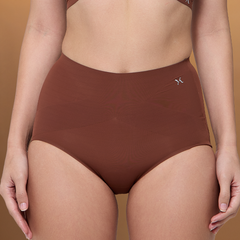
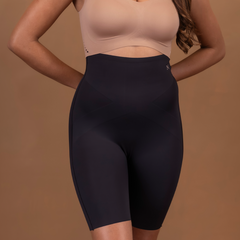
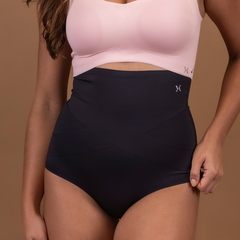
Yoga and pilates: The most shapewear-compatible gym activities. Movement is controlled, intensity is low to moderate, and the held feeling of light compression complements the body-awareness focus of both practices. Light compression shaping shorts or a high-waist shaping brief in breathable fabric work well here. The All Day Control Shaper sits in the right compression range for yoga and pilates, with fabric that manages warmth well enough for a sustained low-intensity session.
Weight training: Works well with shapewear for most movements. The abdominal compression that some women find useful during core and compound movements is a genuine functional benefit here. Movement range is generally not affected by light compression. Avoid heavy compression that restricts the depth of a squat or the range of a deadlift.
Walking and light cardio: The most straightforward use case. Low intensity, manageable heat generation, and the confidence benefit of feeling smooth and held under gym clothes without the performance demands of higher intensity activity. Any light compression style in breathable fabric works here.
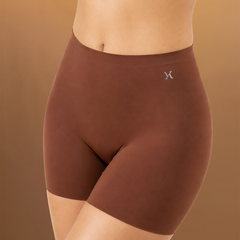
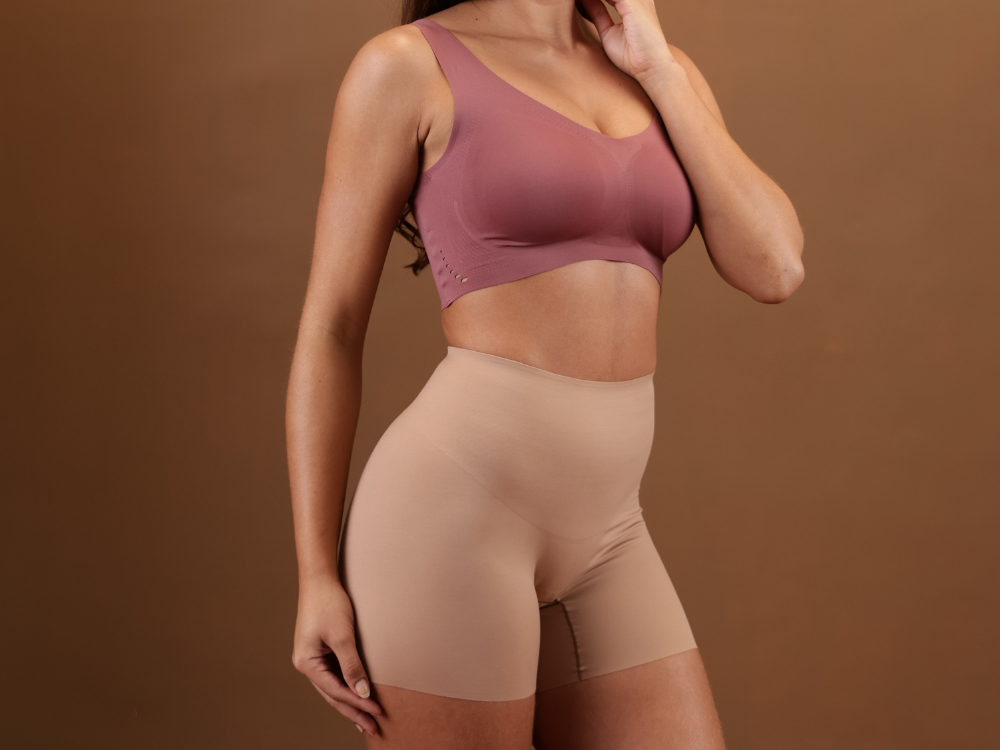
Running and HIIT: The most demanding activity for shapewear. High intensity generates significant heat, sustained cardio requires unrestricted breathing, and the repeated high-impact movement tests whether the shapewear stays in place or shifts. For running and HIIT specifically, dedicated sports innerwear is the more practical choice. The All Day Shaper Shorts provide the smooth, close-to-body fit that prevents chafing during high-impact movement without the compression that restricts breathing during sustained cardio.
The Fabric Question for Gym Shapewear
Fabric is the variable that determines whether shapewear works at the gym or does not, more than compression level or style.
Polyamide-elastane blends with moisture-wicking properties are the right fabric for gym shapewear. The polyamide moves sweat away from the skin toward the surface of the fabric where it can evaporate. The elastane provides the stretch recovery that keeps the shapewear in position through movement rather than shifting and bunching. The combination creates a fabric that manages the thermal and moisture demands of exercise while maintaining the smooth, held feeling that makes shapewear worth wearing.
Heavy compression fabrics, typically denser and less breathable, hold heat and moisture against the skin. They work for the duration of a formal occasion where the body is not generating significant heat. They do not work for exercise where the body's heat and sweat output is significantly higher.
The practical test: if the shapewear you are considering feels warm and slightly restrictive at rest, it will feel significantly more so during exercise. If it feels light and breathable at rest, it will perform acceptably during low to moderate intensity activity.
Wearing Shapewear to the Gym Without Anyone Knowing
For women who want to wear shapewear at the gym but would rather it not be visible or discussable, a few practical notes.
Seamless shapewear with bonded edges sits invisibly under fitted gym leggings without creating a visible waistband line or leg edge. The smooth exterior of pieces like the All Day Control Shaper means no texture or edge shows through fitted fabric, which is the same reason it works under a fitted dress for an occasion.
Nude or skin-tone shapewear under light-coloured gym leggings disappears under the fabric rather than showing as a distinct layer. The same shade-matching logic that applies to everyday clothing applies to gym wear.
The waistband sitting below the waistband of the leggings, rather than above it, keeps everything clean and prevents the double-waistband look that makes shapewear visible at the gym.
The Confidence Reason, One More Time
Fitness spaces can be uncomfortable for a lot of women. The mirrors, the proximity to other bodies, the fitted clothing that the gym demands all create a context where how you feel in your body matters more than usual.
Wearing shapewear to the gym because it makes you feel more comfortable, more confident, or more physically settled during a workout is a completely valid reason to wear it. It does not mean you are hiding your body or that you lack confidence in some deeper sense. It means you found something that makes the gym more comfortable for you, which makes it more likely you will go and keep going.
That outcome is worth a lot more than the abstract principle that gym clothes should be purely functional.
FAQs
Is it safe to wear shapewear while exercising?
Light to medium compression shapewear in breathable fabric is safe for low to moderate intensity exercise. Heavy compression that restricts breathing or movement is not appropriate for exercise. The test is whether you can take a full breath and move through a complete range of motion comfortably. If you cannot, the compression is too high for the activity.
Will shapewear make me sweat more at the gym?
Breathable moisture-wicking shapewear manages sweat away from the skin rather than trapping it. Heavy, non-breathable compression fabric does trap heat and sweat. The fabric type matters more than the fact of wearing shapewear. A lightweight polyamide-elastane blend performs comparably to other gym fabrics in terms of heat and moisture management.
Can I wear the All Day Control Shaper to the gym?
For yoga, pilates, weight training, and walking, yes. The compression level and fabric are appropriate for low to moderate intensity activity. For running and high-intensity cardio, the All Day Shaper Shorts are a more practical choice because they provide a close, smooth fit without the compression that restricts breathing during sustained high-intensity effort.
Will shapewear stay in place during a workout?
Light compression shapewear with a wide waistband and good elastane content stays in place through low to moderate intensity activity. Heavy compression that is too tight tends to roll at the waistband during movement. The fit test at rest is a reliable indicator: if the waistband is already rolling or the leg openings are already pulling before the workout starts, they will do so significantly more during it.
What is the best Krvvy option for wearing to the gym?
For low intensity activity and yoga, the All Day Control Shaper in light compression. For everyday gym sessions where a smooth base under leggings is the goal without compression, the All Day Shaper Shorts provide seamless, close-fitting coverage that sits invisibly under gym wear without restricting movement or trapping heat.