

How to Build the Perfect Underwear Drawer: A Simple Guide for Every Occasion
Key Takeaways
-
A well-built underwear drawer is not about having a lot, it is about having the right mix for every situation
-
Most women own too many of one style and not enough of another without realising it
-
Everyday, active, occasion, and comfort categories cover almost every situation a drawer needs to handle
-
Fabric and construction matter as much as style when building a rotation that actually works
-
Seven to ten pairs across styles and fabrics is enough for most women
-
The goal is to open the drawer and always find the right thing for the day
Why Most Underwear Drawers Do Not Work
The average underwear drawer tends to accumulate rather than get built. A style that was comfortable three years ago. A multipack bought for convenience. A few pairs from a brand that was on sale. Over time the drawer fills up but somehow never has the right thing for a specific outfit or occasion.
Building a drawer intentionally takes less time and fewer pairs than most women expect. The framework is simple: identify the situations your underwear needs to cover, then make sure you have the right style and fabric for each one.
The Four Categories Every Drawer Needs
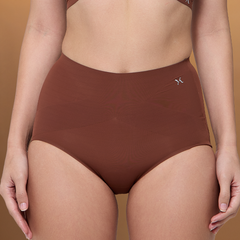
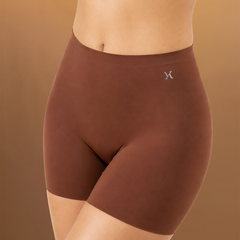
Everyday: The pairs you reach for without thinking on a regular working day. These need to be comfortable enough to wear for eight or more hours, fit correctly without adjustment, and work under most of what you wear daily. Seamless hipsters or mid rise briefs in a breathable fabric cover this category well. The Krvvy Organic Mid Rise Cotton Hipster works here for women who prefer natural fibres, and the AirSoft Boyshorts for women who want a lighter option. Two to three pairs minimum in this category.
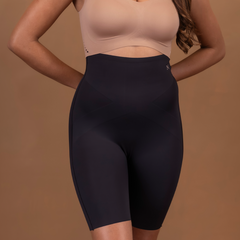
Fitted and occasion outfits: The pairs that need to disappear under specific clothing. Seamless construction and laser-cut edges are non-negotiable here. For fitted dresses and trousers, a seamless hipster or boyshort with bonded edges.
Active and low impact wear: Underwear that stays in place through movement without chafing or rolling. Quick dry fabric for higher intensity activity. The Cotton Hipster for rest days, stretching, and low impact movement where natural fibre comfort is the priority. Two pairs dedicated to active wear is a practical baseline.
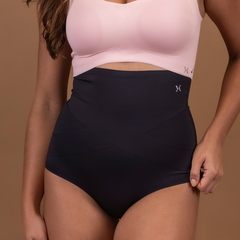
Comfort and rest: For home, sleep, and days when comfort is the only requirement. Full coverage, soft fabric, no pressure points. A full brief or the Cotton Hipster in a larger size if that is what feels most comfortable. These are not outfit-specific, they are body-specific, and they matter as much as any other category.
The Fabrics to Cover
A functional drawer has both natural and engineered fabric options because different situations call for different fabric behaviour.
Cotton for resting, low impact activity, and days when natural fibre comfort is the priority. The Organic Mid Rise Cotton Hipster covers this with bonded construction that removes the raised seam edges standard cotton underwear carries.
Polyamide for fitted outfits, active wear, and warm weather. The AirSoft Boyshorts sit here — lightweight, smooth, and moisture-wicking in conditions where cotton would feel heavy.
Both fabrics in the right styles cover almost every situation a drawer needs to handle.
How Many Pairs You Actually Need
Seven to ten pairs is the practical number for most women with regular laundry habits. More than that and pairs sit unused long enough that the elastic degrades before they wear out. Fewer than that and the rotation runs thin during busy weeks.
A simple breakdown that covers everything:
Three seamless everyday pairs for regular wear and fitted outfits. Two cotton pairs for rest and low impact days. Two active pairs for movement. One to two pairs reserved for specific occasion needs.
That is eight to nine pairs total. Enough to cover every category without the drawer overflowing with options that never get worn.
When to Edit the Drawer
A useful underwear drawer needs editing as much as it needs building. Every six to twelve months, pull everything out and check each pair against a simple set of questions.
Does the waistband still hold without rolling? Does the fabric still sit flat without bunching? Does the fit still feel right? If the answer to any of these is no, the pair has run its course regardless of how many times it has been worn.
Replacing pairs that have crossed that line keeps the drawer functional rather than just full. A smaller rotation of pairs that all work is more useful than a large drawer where half the pairs have a problem.
FAQs
How often should I replace underwear?
Every six to twelve months for regularly worn pairs, depending on wash frequency and care. Signs that replacement is due: waistbands that roll or have lost elasticity, fabric that pills or sags, leg openings that have stretched out of shape.
Is it worth buying underwear in multipacks?
For everyday basics in a style and fabric you already know works, yes. For trying a new style or brand, buy one pair first and check the fit before committing to a multipack.
How do I know what size to buy when switching brands?
Underwear sizing is not standardised across brands. Always check the specific brand's size chart against your hip and waist measurements rather than assuming your usual size transfers directly.
Should all my everyday underwear be the same style?
Not necessarily. A mix of hipsters and boyshorts in the everyday category gives more flexibility across different outfit waistlines and leg cuts. Variety within the everyday category is more useful than uniformity.
How do I care for underwear to make it last longer?
Cold wash, gentle cycle, air dry. Heat degrades elastic and synthetic fibres faster than anything else. Avoiding the dryer extends the life of both cotton and polyamide underwear significantly.