

How to Know When It Is Time to Replace Your Bra (And What to Replace It With)
Key Takeaways
-
Most women wear bras well past the point where they are actually working
-
A bra that has lost its structure is not providing support, it is providing the feeling of support
-
The signs that a bra needs replacing are specific and easy to check once you know what to look for
-
Replacing one bra well is more useful than holding onto five that are not doing their job
-
What you replace it with matters as much as when you replace it
-
A bra that fits correctly is one you stop noticing, which is the standard every replacement should meet
The Bra That Has Stayed Too Long
Most women have at least one. A bra that used to fit perfectly, that has been washed and worn and adjusted until the band rides up every day, the straps fall off every hour, and the cups have lost whatever shape they originally had. It keeps getting worn because it is familiar, because replacing it feels like an effort, or because the problems have crept up so gradually that the baseline of what a bra should feel like has quietly shifted.
A bra that is not working is not a neutral choice. It affects posture, comfort, and how clothes sit across the entire day. Knowing when to let one go and what to replace it with is one of the more practical things you can do for your daily comfort.
The Signs a Bra Needs Replacing
The band rides up at the back: A band that sits level when new and rides up with wear has lost its elasticity. The band is where most of the support in a bra comes from, and a band that has stretched out is no longer providing it. If tightening to the last hook still does not keep it in place, the bra has run its course.
The straps fall off constantly: Straps that need repeated tightening throughout the day have either stretched beyond adjustment or are compensating for a band that is too loose. If the straps are at their tightest setting and still sliding, the bra needs replacing.
The underwire is poking through: Once underwire breaks through the fabric casing, the bra is done. Continuing to wear it causes skin irritation and does not provide the support the wire was designed to deliver when properly encased.
The cups have lost their shape: Moulded cups that have flattened, soft cups that have stretched or thinned, or any cup that no longer holds its original form is not shaping or supporting the way it was designed to. Washing and wearing gradually break down the structure of any cup, and once it is gone it does not come back.
You are on the tightest hook on a new bra: A new bra should fit comfortably on the loosest hook, so you can tighten as the elastic relaxes with wear. If a new bra only fits on the tightest hook from day one, the band size is wrong and the bra will feel too loose within weeks.
The fit has changed but the bra has not: Weight changes, hormonal shifts, and pregnancy all change how a bra fits. If your body has changed and you are still wearing the same size from two years ago, the fit is likely off even if the bra itself is structurally intact.
How Long a Bra Actually Lasts
With regular wear and correct care, a bra lasts six to twelve months. Women who rotate between several bras extend that lifespan because each individual bra gets less frequent wear. Women who wash on high heat or machine dry shorten it significantly because heat degrades elastic and synthetic fabric faster than wear does.
The six to twelve month figure assumes regular wear, cold washing, and air drying. A bra worn once a week and cared for correctly will last longer. A bra worn daily and machine dried will need replacing sooner.
What to Replace It With
Replacing a bra is an opportunity to reassess rather than simply repurchase the same thing. A few questions worth asking before buying:
Has your size changed? If it has been more than a year since you measured, remeasure before buying. The band and cup combination that fitted previously may not be accurate anymore.
Is the style still right for what you need it to do? A heavily padded bra bought years ago may not be what your wardrobe currently calls for. Assess what you actually wear and what your current outfits need from a bra before defaulting to the same style.
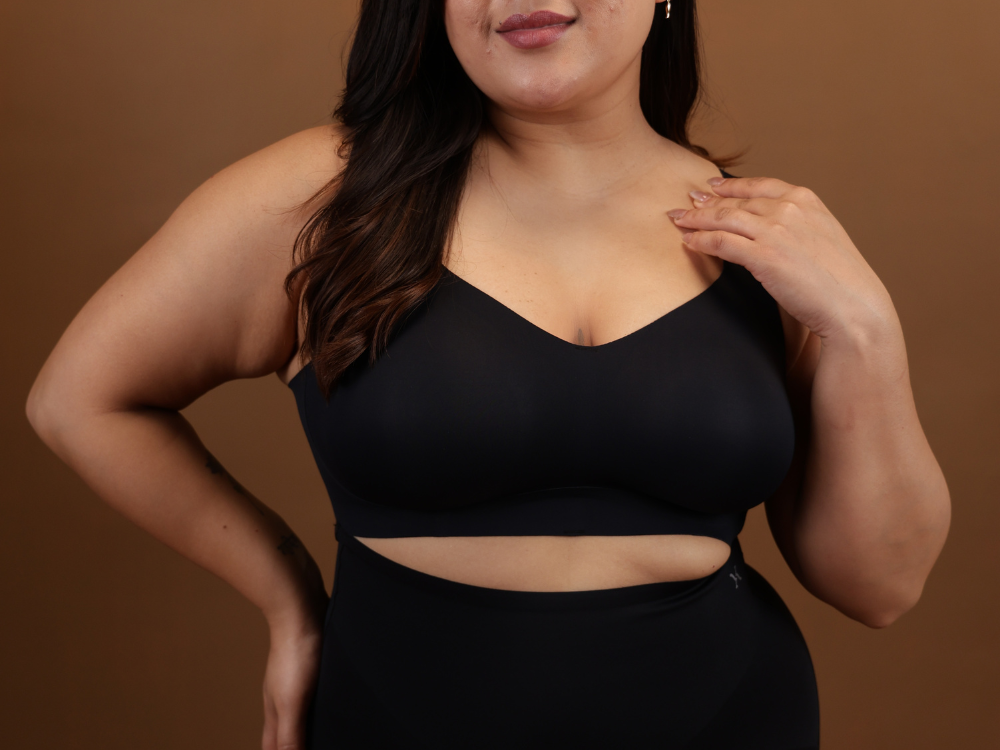
Is wireless an option worth trying? Many women who have worn underwired bras for years find that a well-made wireless bra in the correct size provides comparable everyday support without the pressure points underwire creates. The Krvvy Trueform Support Bra is built for this specifically, with enough structure in the band and cup to hold across everyday wear without relying on wire, and available in plus sizes for women who have previously found wireless options insufficient for fuller busts.
For lighter coverage days and outfits where structure is not needed, the Ultrasoft Bralette and the Ultrasoft Bralette Plus Size cover soft, seamless support without the weight of a full bra. Replacing a heavy everyday bra with a rotation that includes both a support option and a lighter option gives more flexibility than replacing like for like.
Building a Small Bra Rotation
You don't need lots of bras. Just a few that work for different outfits and occasions.
Two to three everyday support bras that handle the majority of daily wear. One to two lighter bralettes for low-key days and outfits that do not need full support. One strapless or convertible bra for specific outfit needs.
That is four to six bras total covering almost every situation. Rotating across them extends the lifespan of each individual piece and means no single bra is doing all the work.
FAQs
How do I know if my bra band is too loose?
The band should sit level across your back on the middle hook when new. If it rides up toward your shoulder blades or you are on the tightest hook from the start, the band is too loose. A correctly fitted band stays parallel to the floor and provides the majority of the bra's support.
Can I extend the life of a bra by washing it less often?
Washing after every two to three wears is recommended for hygiene reasons. Skipping washes does not extend life significantly and allows sweat and body oils to break down the fabric over time. Proper washing technique, cold water and air drying, extends life more than reduced washing frequency.
Is it worth repairing a bra with a broken underwire?
Occasionally, if the bra otherwise fits well and the wire can be replaced without compromising the structure. More often, a broken wire signals that the fabric casing has worn through, which means the rest of the bra is at a similar point in its lifespan. Replacing is usually the more practical choice.
How many bras should I own?
Four to six is a practical number for most women. Enough to rotate without any single bra wearing out faster than it should, and few enough that the rotation stays current and everything in it is actually worn.
Should I replace all my bras at once?
Only if they have all reached the end of their lifespan at the same time, which happens when an entire collection was bought together. Staggering replacements means the rotation never needs a full overhaul at once, which is easier on both time and budget.