


How to Stop Thigh Chafing: What Actually Works
Key Takeaways
-
Thigh chafing happens when skin rubs against skin, made worse by heat, sweat and movement. It is very common and not a sign of anything about your body size.
-
The two reliable fixes are reducing friction between the thighs and keeping the area dry.
-
A light barrier stops most chafing. Anti-chafing shorts, a balm or a powder all work, and many people combine them.
-
Mid-thigh shorts under a dress or saree are the most dependable option for a long day out.
-
Breathable, moisture-wicking fabric helps, while damp or rough fabric makes chafing worse.
-
If skin is already chafed, keep it clean and dry and let it settle before your next long day.
-
Anti-chafing shorts are widely available, from Krvvy as well as Clovia, Zivame and Enamor.
What causes thigh chafing?
Thigh chafing, sometimes called chub rub, happens when the skin of your inner thighs rubs together and the friction irritates the surface. Heat, sweat and a lot of walking make it worse, which is why it flares up in summer and on long days out. That is the whole mechanism, and it is worth knowing because it points straight at the fixes.
The important thing to say first is that chafing is not about body size. Thighs of every shape touch and rub, and plenty of people who chafe are slim. It is about friction and moisture, not measurements, so the answer is never to change your body. It is to reduce the rubbing and keep the skin dry, both of which are easy to do.
The two things that stop it
Almost every fix for thigh chafing does one of two jobs: it reduces friction, or it keeps the area dry. Reducing friction means putting a smooth barrier between your thighs, whether that is fabric, a balm or a powder, so the skin glides instead of dragging. Keeping the area dry means managing the sweat that makes rubbing worse, through breathable fabric and staying dry through the day.
Get those two things right and chafing mostly disappears. Everything below is a way of doing one or both, and most people land on a small combination that suits their day.
Anti-chafing shorts: the dependable fix
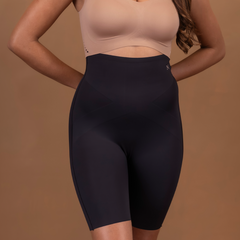
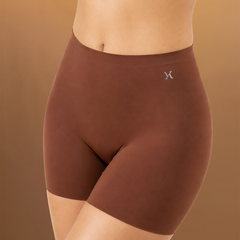
If you want one thing that works under almost any outfit, it is a pair of smooth shorts worn underneath. Mid-thigh or anti-chafing shorts put a soft layer of fabric between your thighs so the skin never rubs directly, and because the barrier stays in place all day, they are more reliable than anything you apply to the skin.
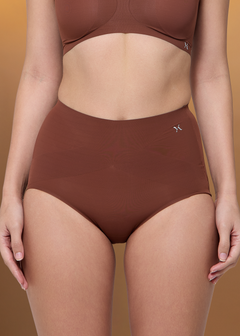
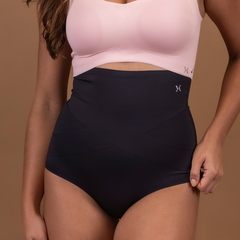
They are especially good under dresses, skirts and sarees, where there is nothing else between your legs. Krvvy’s SculptFit Mid-Thigh Shaper Shorts are made for exactly this, smoothing and placing a barrier between the thighs in one piece, and the All Day Shaper Shorts do the same job for everyday wear. You will find more options across the thigh shapewear range, and our guide to thigh shaper shorts goes into fit. Choose a length that reaches past where your thighs actually touch, or the barrier will not cover the right spot.
Balms, sticks and powders
When you would rather not wear shorts, a barrier you apply to the skin is the next best thing. Anti-chafing balms and sticks leave a smooth, invisible layer that lets the skin glide, and they are quick to put on before you head out. Powders work differently, by absorbing sweat and cutting moisture, which suits people whose main trigger is heat.
The catch with anything applied to the skin is that it wears off, especially on a hot day with a lot of walking, so you may need to reapply. Keep a small stick or a travel powder in your bag for a top-up. Plenty of people use a balm for short outings and switch to shorts for a full day, since the shorts do not fade.
Fabric makes a difference
What you wear against your skin either helps or hurts. Breathable, moisture-wicking fabric keeps the area drier and reduces rubbing, while thick, non-breathable or damp fabric traps sweat and makes chafing worse. Rough seams on the inner leg are another quiet culprit, so smooth or seamless styles are kinder on a long day.
This is part of why the pair you choose matters as much as the decision to wear one at all. A soft, breathable pair you forget you have on will do far more than a stiff one you take off by lunchtime.
Where else does skin chafe?
Thighs are the most common spot, but the same friction can affect anywhere skin meets skin or rubs against fabric, such as under the arms, under the bust, or where a waistband or bra band sits. The fixes are the same everywhere: reduce the rubbing with a smooth barrier and keep the area dry. A soft, seamless bra band helps under the bust, and a light balm works under the arms. If a bra or waistband is doing the rubbing, the seam or fit is usually the cause, so a smoother, better-fitting style often solves it on its own.
What to do if you are already chafed
If the skin is already sore, the priority is to let it settle rather than push through. Keep the area clean and dry, wear something loose and soft that does not rub the spot, and give it a day or two before your next long day out if you can. A gentle, unscented moisturiser once the skin has calmed can help it feel better.
If the skin is broken, weeping or looks infected, or if it is not settling after a few days, see a doctor or pharmacist, since that is beyond what a wardrobe fix can handle. Most chafing heals on its own with a little rest, but painful, broken skin is worth a professional’s eye.
Everyday habits that help
A few small habits keep chafing from starting. Dry off properly after a shower or after sweating, since damp skin rubs more. On very hot days, reach for a barrier before you leave rather than waiting for the soreness to start, because prevention is far easier than repair. And keep a pair of anti-chafing shorts in your rotation for dresses and sarees, so the outfits most likely to cause chafing are the ones you are already covered for.
A small kit for long days
For days when you are out for hours, a little kit saves a lot of discomfort. An anti-chafing stick or a travel-size powder takes up almost no room and lets you top up a barrier that has worn off. A spare pair of anti-chafing shorts is worth keeping if you chafe easily, since slipping them on before a long walk is far easier than treating soreness afterwards. And a soft, unscented moisturiser at home helps the skin recover after a hot day out.
Frequently asked questions
How do I stop my thighs from chafing?
Put a smooth barrier between your thighs and keep the area dry. Anti-chafing or mid-thigh shorts are the most reliable option, while a balm, stick or powder works when you would rather not wear shorts. Breathable fabric and drying off after sweating help prevent it starting.
What can I wear under a dress to prevent thigh chafing?
Mid-thigh or anti-chafing shorts are the best thing to wear under a dress or saree, since they put a soft layer between your thighs that stays in place all day. Choose a length that reaches past where your thighs touch, in a breathable fabric so you stay dry.
Do anti-chafing shorts actually work?
Yes. They work by keeping your thighs from rubbing directly against each other, which is the cause of chafing, and because the fabric barrier stays put they are more dependable than balms or powders that wear off. A smooth, breathable pair that reaches past the rub point works best.
How do I treat chafed thighs?
Keep the area clean and dry, wear something loose that does not rub the spot, and give it a day or two to settle. A gentle, unscented moisturiser once the skin has calmed can soothe it. If the skin is broken or looks infected, or it is not healing, see a doctor or pharmacist.
Why do my thighs chafe even though I am not overweight?
Because chafing is about friction and moisture, not body size. Thighs of every shape touch and rub, and heat and sweat make it worse for everyone, so plenty of slim people chafe too. The fix is to reduce the rubbing and keep the area dry, not to change your body.
What is the best thing for thigh chafing in summer?
In hot weather, combine a barrier with moisture control. Anti-chafing shorts in a breathable, wicking fabric handle both at once, and a powder helps if sweat is your main trigger. Reapply a balm through the day if you use one, since heat and walking wear it off.
Can I use coconut oil or deodorant for thigh chafing?
Some people use coconut oil or a swipe of solid deodorant as a quick barrier, and both can reduce friction in a pinch. They wear off faster than a purpose-made anti-chafing balm, and oil can mark light fabric, so they work better as a stopgap than a plan. For a long day, a dedicated balm or a pair of shorts lasts much longer.