


Innerwear Mistakes Women Make in Their 20s, 30s, and 40s
Key Takeaways
-
The innerwear mistakes women make are almost always the same ones, just showing up differently depending on the decade and what the body is doing at that point
-
Your 20s are mostly about never having been taught the basics properly
-
Your 30s are about ignoring how much the body has changed and wearing innerwear sized for a previous version of yourself
-
Your 40s are about loyalty to habits that stopped working but feel too familiar to question
-
The common thread across all three decades is wearing innerwear that was right once and keeping it long past the point where it still is
-
Getting it right at any age starts with the same thing: an accurate measurement and a willingness to start from there.
The Mistakes Nobody Warns You About
Innerwear is one of the few areas of a wardrobe where most women are operating almost entirely on guesswork. There is no formal education around it. Sizing is confusing, fitting rooms are inadequate, and the advice that gets passed down tends to be incomplete or simply wrong.
The result is that most women carry at least a few innerwear habits that are not serving them, often without realising it because discomfort has become so familiar it no longer registers as something that can be fixed. The specific mistakes shift across decades because the body shifts, life circumstances shift, and the innerwear drawer tends to lag behind both.
In Your 20s: The Mistakes That Come From Not Knowing What You Were Never Taught
The most common innerwear mistakes in the 20s are not about carelessness. They are about the absence of good information at the age when habits form.
Wearing the size from the first fitting and never revisiting it. Most women get measured once, usually as a teenager or in their early 20s, and carry that size forward for years without checking whether it is still accurate. Bodies change significantly through the early 20s, weight fluctuates, hormones settle, and the size that was right at nineteen may be noticeably off by twenty-four. A measurement taken once is not a permanent fact.
Choosing bras based on appearance rather than fit. The 20s tend to involve a lot of bra shopping based on how something looks on the hanger or on a model, rather than how it actually fits. Pretty bras that do not fit correctly get worn anyway because the visual appeal overrides the discomfort. The habit this builds, tolerating poor fit in exchange for aesthetics, tends to persist well beyond the decade it started in.
Ignoring the band entirely and focusing only on the cup. The most common sizing mistake of the early 20s is sizing up in the cup to get more coverage while staying in a band that is too large. The result is a bra that looks like it fits from the front but rides up constantly, provides minimal support, and requires strap tightening to compensate. Understanding that the band is where the support actually comes from, and that getting the band right first makes everything else easier to calibrate, is the piece of information most women in their 20s are missing.
Treating underwear as purely functional and buying whatever is cheapest. The 20s are often financially constrained, which makes cheap multipacks the default. There is nothing wrong with being budget-conscious, but cheap fabric, poor elastic, and no-thought sizing produce underwear that is uncomfortable within months. A smaller number of better-made pieces in the right size outlasts and outperforms a large drawer of poor-quality ones every time.
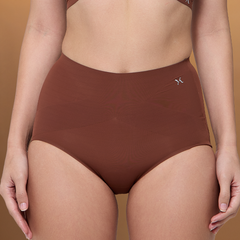
Not owning a seamless option. Most women in their 20s have not yet discovered what a difference seamless construction makes under fitted clothing. A single pair of seamless hipsters or a seamless bralette resolves the visible underwear line problem that gets managed in every other way except the obvious one.
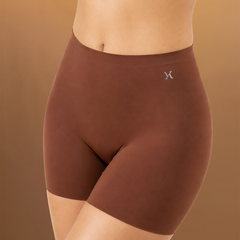
The Krvvy Ultrasoft Bralette and AirSoft Boyshorts cover both gaps for women in their 20s who want a soft seamless option for everyday wear and fitted outfits without spending a significant amount.
In Your 30s: The Mistakes That Come From Not Keeping Up With a Changing Body
The 30s bring a different set of innerwear problems because the body is changing in ways that are real but gradual enough to ignore. Pregnancy, post-pregnancy recovery, hormonal shifts, weight changes, and the general settling of the body into a slightly different shape than it occupied at twenty-five all affect how innerwear fits. The mistake of the 30s is not noticing, or noticing and not acting on it.
Wearing a pre-pregnancy bra size post-pregnancy. Pregnancy and breastfeeding change breast size, shape, and tissue composition in ways that do not fully reverse after weaning. Many women return to their pre-pregnancy bra after breastfeeding ends and find that it fits differently, sometimes dramatically so, but continue wearing it anyway out of habit or the assumption that things will settle back to where they were. They often do not, and remeasuring after the post-breastfeeding period has fully settled is one of the more impactful innerwear adjustments a woman in her 30s can make.
Continuing to wear underwired bras through phases where wireless would serve better. The 30s often involve extended periods where underwire is uncomfortable, pregnancy, postpartum recovery, hormonal fluctuation, and premenstrual swelling being the main ones. Many women push through the discomfort because they do not have a wireless alternative that actually holds. A well-made wireless bra like the Trueform Support Bra provides the everyday support that makes wireless a genuine option rather than a compromise during these phases.
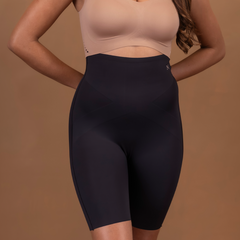
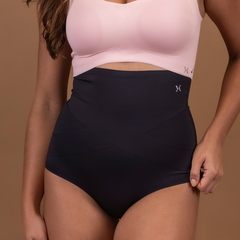
Letting the shapewear drawer stay empty because of outdated ideas about what shapewear is. Many women in their 30s dismiss shapewear entirely based on the experience of heavy, uncomfortable pieces worn or observed a decade earlier. Modern shapewear at a calibrated compression level is a genuinely useful wardrobe tool for specific outfits and occasions, and the women who discover this in their 30s tend to wish they had known earlier. The All Day Control Shaper is a practical entry point for women who are shapewear-curious but wary of discomfort.
Holding onto bras from before a significant body change. Weight loss, weight gain, a change in fitness level, a shift in body composition, all of these change bra fit in ways that are not always immediately obvious. A bra that is fitted before a ten kilogram weight change will not fit correctly after it, in either direction, but it keeps getting worn because replacing it feels like an acknowledgement of a change that is easier to ignore.
Not adjusting the innerwear rotation to match a busier life. The 30s tend to involve more occasions, more outfit variety, and more physical demands on the body than the 20s. An innerwear drawer built for a twenty-two-year-old lifestyle does not cover a thirty-four-year-old's actual week. Building a rotation that includes everyday comfort, active options, occasion pieces, and soft recovery wear matches the drawer to life rather than the other way around.
In Your 40s: The Mistakes That Come From Habits That Have Calcified
The innerwear mistakes of the 40s are the most entrenched because they have had the most time to become invisible. A habit carried from the 20s through the 30s and into the 40s no longer feels like a habit. It feels like the way things are. The problem with this is that the body in the 40s is changing more significantly than it has since the early teens, and innerwear that does not adapt to those changes makes the decade more physically uncomfortable than it needs to be.
Not remeasuring through perimenopause. Perimenopause, which can begin in the early to mid 40s for many women, involves hormonal shifts that affect breast tissue, body composition, and weight distribution. Breasts can become fuller, softer, or change in shape in ways that are different from earlier hormonal fluctuations. The bra size and style that worked at thirty-eight may be noticeably wrong at forty-three, and the fix is a remeasure rather than an adjustment.
Wearing a band size that is too large because it feels less restrictive. A common 40s habit is sizing up in the band for comfort, particularly through periods of bloating, weight fluctuation, or general hormonal sensitivity. A band that is too large does not provide support, and the straps compensate by digging into the shoulders, which causes the neck and shoulder tension that many women in their 40s attribute to posture or stress rather than to a poorly fitted bra. Sizing correctly in the band and choosing a wireless style if underwire has become uncomfortable resolves both problems.
Staying loyal to one bra style because it has always been worn. Many women in their 40s have worn the same bra style since their 20s, not because it is still the best option but because changing feels unnecessary. The body in the 40s often benefits from wider straps, broader waistbands, softer cup construction, and wireless designs that do not press against tissue that has become more sensitive with age. These are not compromises. They are simply better answers for a body at a different stage.
Treating innerwear care as optional. By the 40s, the innerwear drawer often contains bras that are years past their functional lifespan, kept because replacing them feels like an effort. A bra that has been worn for three years is not providing support. It is providing the memory of support. The elastic is gone, the cups have lost their structure, and the straps are compensating for a band that no longer holds. Replacing these is not an indulgence, it is basic functional maintenance.
Dismissing softer innerwear styles as insufficient. Many women in their 40s dismiss bralettes and soft cup styles as options for younger or smaller-busted women. Construction in this category has improved significantly, and options like the Ultrasoft Bralette Plus Size, designed specifically for fuller busts with wide supportive straps and a broader waistband, offer genuine comfort for extended wear that structured bras increasingly cannot match as sensitivity increases through perimenopause.
The One Thing That Fixes Most of It
Across all three decades, the single most impactful innerwear habit is also the simplest: remeasure every year, or every time the body changes significantly, and be willing to act on what the measurement says even if it means replacing something familiar with something new.
Most innerwear mistakes persist not because the fix is complicated but because the problem has become normal enough that it no longer registers as a problem. A bra that digs, a strap that falls, underwear that rolls, shapewear that has never been tried because of an assumption formed a decade ago — all of these have straightforward answers. The measurement is just the starting point for finding them.
FAQs
How often should I remeasure my bra size?
Once a year as a baseline, and any time the body changes significantly. Pregnancy, post-pregnancy, weight changes of more than five kilograms, and hormonal shifts like perimenopause all affect bra fit enough to warrant a remeasure rather than an adjustment.
Is it normal for bra size to change significantly between decades?
Yes, completely. The body changes substantially between the 20s, 30s, and 40s, and bra size is one of the most responsive measurements to those changes. A woman who was a 34B at twenty-two may be a 36C at thirty-eight and a 34D at forty-five. All of these are normal progressions.
When should I switch from underwired to wireless bras?
When underwire consistently causes discomfort rather than occasionally. Periodic discomfort during hormonal phases is normal and manageable with a wireless option for those specific days. Consistent discomfort regardless of cycle phase usually signals that the underwire is sitting incorrectly, either because the size is wrong or because breast tissue has changed enough that the wire placement no longer works. A wireless support bra in the correct size is the practical alternative.
Why do my bra straps dig into my shoulders more than they used to?
Almost always a band issue rather than a strap issue. A band that has lost its elasticity, or that was always slightly too large, recruits the straps to provide support they are not designed for. The straps tighten to compensate and dig into the shoulder. Replacing the bra with one where the band fits correctly resolves the shoulder digging without any strap adjustment needed.
Is shapewear appropriate for daily wear in your 40s?
Light to medium compression shapewear in the correct size is appropriate for daily wear at any age. The key in the 40s specifically is choosing breathable fabric and a compression level that feels comfortable through a full day rather than reaching for heavy compression pieces that become increasingly restrictive as the day goes on.