

Lingerie as Self-Care: How What You Wear Underneath Affects How You Show Up
Key Takeaways
-
The innerwear you wear on a given day has a measurable effect on physical comfort, which has a downstream effect on how present and comfortable you feel
-
This is not about wearing lingerie for anyone else or performing confidence, it is about the practical reality of how physical comfort affects everything above it
-
Innerwear that fits correctly removes a category of physical distraction that most women have simply learned to live with
-
The self-care case for good innerwear is not about luxury or indulgence, it is about the baseline of physical comfort that everything else in a day is built on
-
Choosing innerwear with the same intentionality applied to other self-care habits is not excessive, it is practical
-
The version of self-care that actually works is quiet and consistent, not dramatic
The Part of Self-Care Nobody Talks About
Self-care has a well-established public face. Skincare routines. Sleep hygiene. Movement and exercise. The foods that support energy and mood. These are the pillars that get discussed, tracked, and optimised by women paying serious attention to how they feel day to day.
Innerwear almost never appears in this conversation. It is treated as purely functional, a necessity to be managed rather than a choice to be made with any real intention. Buy what is available, wear what is comfortable enough, replace when something breaks down completely.
The gap between this approach and a more intentional one is not trivial. The innerwear a woman puts on in the morning is in contact with her body for the next eight to twelve hours. Whether it is comfortable or uncomfortable, well-fitted or poorly fitted, chosen with intention or grabbed without thought, it is present for the entire day in a way that a skincare product applied for thirty seconds in the morning is not.
The Physical Comfort Argument
The most straightforward case for treating innerwear as self-care is physical.
Innerwear that does not fit correctly creates a category of physical experience that is low-level but constant. A waistband that digs. A bra strap that requires adjustment every hour. Underwire that sits against tissue rather than beneath it by mid-afternoon. Fabric that feels damp and heavy in warm weather. Cups that gap or overflow in a way that creates self-consciousness about how clothing is sitting.
None of these are dramatic discomforts. They are small, persistent, and cumulative. They register in the background of attention throughout the day without necessarily rising to the level of conscious complaint. But they are there, and they cost something in terms of the mental and physical bandwidth available for everything else.
The removal of this background discomfort is not a luxury experience. It is simply the absence of something that should not have been present in the first place. A bra that fits correctly, a pair of underwear in a fabric that manages the day's temperature and activity, shapewear chosen for actual comfort rather than maximum compression — these do not add something dramatic to the day. They remove something that was consistently subtracting from it.
The Confidence Argument, Carefully
There is a version of the lingerie-as-self-care conversation that tips into territory Krvvy deliberately avoids. The idea that wearing beautiful lingerie will transform how you feel about yourself, that expensive lace sets are an act of self-love, that what you wear underneath is a statement about your relationship with your body. These framings put a lot of weight on a garment and tend to set up an expectation that the garment cannot consistently meet.
The more honest version is simpler. When the physical layer is comfortable and correct, it stops being a source of distraction or self-consciousness. The attention that was going to adjusting, managing discomfort, or being aware of what innerwear is doing under clothing becomes available for other things. This is not transformation. It is just the practical benefit of physical comfort, applied to the layer of clothing closest to the body.
Wearing the Ultrasoft Bralette on a day when soft, seamless coverage is what the body needs is not a statement about self-worth. It is a practical choice that removes a source of physical friction from the day. That is the version of lingerie as self-care that actually holds up, quiet, consistent, and based on what the body actually needs rather than on what the moment is supposed to feel like.
Intention Over Indulgence
The self-care framing around innerwear does not require spending significantly more or owning a wardrobe full of beautiful pieces. It requires applying the same intentionality to innerwear choices that is applied to other daily habits.
This means buying in the correct size rather than the size carried forward from a previous body. It means replacing pieces that have stopped working rather than continuing to wear them out of inertia. It means having the right style for the right occasion rather than defaulting to the same bra and underwear regardless of what the day calls for. It means choosing fabric that suits the season and the activity.
None of these are dramatic interventions. They are the application of basic attention to a layer of daily life that most women treat as an afterthought. The cumulative effect of that attention, felt across a full day, every day, is more significant than most women expect until they experience the difference.
Building an Intentional Innerwear Routine
Treating innerwear as self-care in practice looks less like a luxury purchase and more like a maintenance habit.
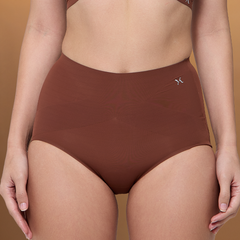
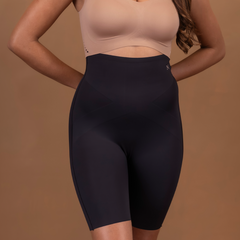
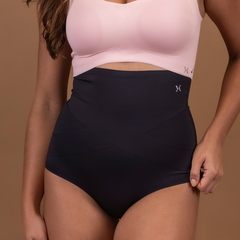
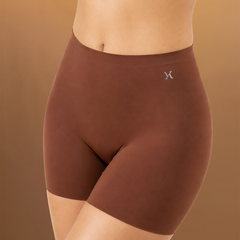
Remeasure once a year, or after any significant body change, and update the rotation to match the current body rather than the body of two years ago. The Trueform Support Bra and Ultrasoft Bralette cover everyday bra needs across a range of support requirements. The Cotton Hipster and AirSoft Boyshorts cover everyday underwear needs across fabric preferences and activity levels. The All Day Control Shaper covers occasion and outfit-specific needs where a smooth base matters.
Replace pieces when they stop working rather than when they fall apart. A bra with a loose band, underwear with rolling elastic, shapewear that requires constant adjustment — these are not serving their purpose and the daily cost of wearing them is real even when it is not dramatic.
Choose for the day rather than defaulting. A rest day calls for different innerwear than a long work day or a formal occasion. The drawer exists to have the right option available, not just the most familiar one.
FAQs
Does wearing well-fitted innerwear actually affect how you feel day to day?
Yes, through the removal of physical discomfort rather than through any dramatic transformation. Innerwear that fits correctly and suits the day's demands stops being a source of background distraction, which makes physical comfort available for everything else the day requires.
Is this just marketing language for buying more expensive innerwear?
No. The self-care argument for innerwear is about intentionality, not price. Buying fewer pieces in the correct size and replacing them when they stop working is more effective than owning a large collection of pieces that do not fit or do not function. The price point is secondary to the fit and construction quality.
How often should I reassess my innerwear as part of a self-care routine?
Once or twice a year is practical for most women. A remeasure, an honest assessment of what in the current rotation is still working and what is not, and targeted replacement of pieces that have run their course keeps the drawer functional without requiring constant attention.
Does the type of innerwear I wear affect my mood?
Physical comfort has a consistent relationship with mood and cognitive availability. Removing a source of persistent low-level physical discomfort, which is what correctly fitted innerwear does, makes attention and energy available for other things. This is not the same as a dramatic mood transformation but it is real and it compounds over the course of a full day.
Is shapewear part of a self-care routine or does it contradict it?
Shapewear worn in the correct size at the right compression level for a specific occasion is a practical comfort tool, not a contradiction of self-care. Shapewear worn as a daily default in a size that is uncomfortable contradicts it. The distinction is in whether the garment is serving the body or whether the body is managing the garment.