


Polyamide for Skin: Unveiling the Truth About This Popular Fabric
Key Takeaways
-
Polyamide is one of the most widely used fabrics in innerwear and activewear globally, and for good reason
-
The concerns around polyamide and skin are mostly outdated, rooted in older fabric formulations rather than current ones
-
Modern polyamide is soft, breathable, moisture-wicking, and safe for everyday skin contact
-
For innerwear specifically, polyamide outperforms cotton in warm and active conditions
-
The fabric is not the variable driving skin sensitivity in most cases — fit, hygiene habits, and washing practices matter far more
-
Knowing what polyamide actually is makes it easier to choose innerwear with confidence
The Fabric Everyone Wears But Nobody Talks About
Check the label on your favourite bralette, your most comfortable shapewear, or the seamless underwear that disappears under everything. There is a reasonable chance polyamide is listed, often alongside elastane or spandex.
Polyamide is everywhere in innerwear. It is the fabric behind the softness of a seamless bra, the stretch recovery of a shaping brief, and the lightweight feel of underwear that does not announce itself under clothing. And yet it carries a vague suspicion that cotton does not — a sense that synthetic means inferior, or that anything not natural cannot be good for skin.
That suspicion is worth examining properly, because most of it does not hold up.
What Polyamide Actually Is
Polyamide is a synthetic fibre. Nylon is the most commonly known form of it. In innerwear, polyamide is typically blended with elastane to create a fabric that stretches, recovers its shape, and sits softly against the skin.
The polyamide used in modern innerwear is not the scratchy, stiff synthetic fabric that gave the category a bad name decades ago. Fabric technology has changed significantly, and current polyamide blends used by quality innerwear brands are engineered specifically for skin contact. They are finer, softer, and more breathable than earlier versions of the same fibre, and they perform differently in almost every meaningful way.
The version of polyamide most women encountered in cheap or poorly made garments is not representative of what the fabric is capable of when it is used well.
Is Polyamide Safe for Skin
Yes, for the overwhelming majority of women.
Polyamide is used in medical-grade textiles, compression garments, and surgical hosiery precisely because it is safe for extended skin contact. It does not contain chemicals that are harmful at the skin level in normal innerwear use, and it does not interact with skin in ways that cause damage.
The cases where polyamide causes skin reactions are almost always one of three things:
A specific allergy or sensitivity: Some women have a genuine sensitivity to synthetic fibres or to the elastane blended with polyamide. This is real but not common, and it shows up as contact dermatitis in a specific pattern corresponding to where the fabric sits. If this happens, cotton is the right alternative for that individual. It is not a reason to consider polyamide unsafe for everyone.
A poorly made garment: Low quality polyamide in cheaply made innerwear can contain residual dyes or finishing chemicals that irritate skin. This is a quality and manufacturing issue, not a polyamide issue. Well-made polyamide innerwear from reputable brands does not carry this risk in the same way.
A fit problem: Underwear that is too tight in any fabric creates friction, pressure, and moisture build-up that irritates skin. Polyamide gets blamed for reactions that are actually caused by a waistband that is a size too small or a leg opening that digs in throughout the day.
The fabric is rarely the problem when it is used well and worn in the correct size.
Polyamide and Breathability: The Real Picture
The most persistent criticism of polyamide is that it does not breathe, and that wearing it traps heat and moisture.
This is partly true of older synthetic fabrics and largely untrue of modern polyamide blends.
Current polyamide used in innerwear is knitted rather than woven, which creates a structure with small air gaps that allow ventilation. It does not breathe in exactly the same way cotton does, but it manages moisture differently and often more effectively.
Cotton absorbs sweat and holds it. In cool, dry conditions this feels comfortable. In warm conditions or during activity, cotton becomes damp and stays damp, sitting against the skin. Polyamide does not absorb moisture the same way. Instead it moves moisture away from the skin toward the surface of the fabric where it can evaporate. The result is fabric that stays drier against the skin in the conditions where moisture management actually matters.
For Indian weather conditions specifically, where heat and humidity are a significant part of daily life for much of the year, polyamide's moisture behaviour is a genuine functional advantage over cotton for innerwear worn through an active day.
Polyamide and Hygiene
The belief that polyamide innerwear is less hygienic than cotton is one of the most repeated claims in the fabric conversation, and one of the least supported by evidence.
Hygiene in innerwear is primarily driven by moisture retention. Fabric that holds moisture against the skin creates conditions where bacterial growth is more likely. On this measure, moisture-wicking polyamide performs better than moisture-retaining cotton in warm or active conditions, not worse.
The hygiene case for cotton is strongest in cool, dry conditions where moisture is not a significant factor and where cotton's breathability and natural fibre properties are most relevant. In warm weather and during activity, the argument reverses.
Changing innerwear regularly, washing at the right temperature, and wearing the correct size matter far more for hygiene than fabric choice alone. These habits apply equally regardless of whether the fabric is cotton or polyamide.
How Krvvy Uses Polyamide
Krvvy uses polyamide blends across its core innerwear and shapewear range because the functional properties align with what the brand is trying to deliver: innerwear that is comfortable, stays in place, manages the demands of a full day, and holds its shape through regular wear and washing.
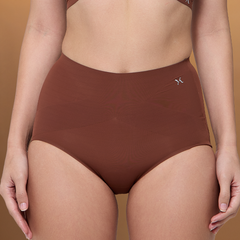
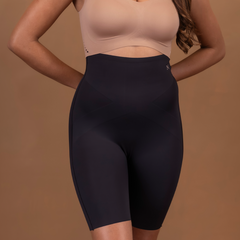
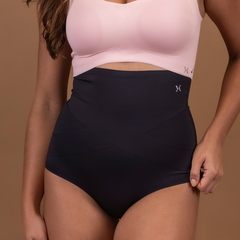
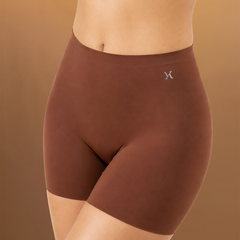
The Ultrasoft Bralette, AirSoft Boyshorts, and All Day Control Shaper are all built in polyamide-elastane blends chosen for softness, stretch recovery, and moisture management. The fabric in each case is selected for how it performs against skin through extended daily wear, not just how it feels at the point of purchase.
The Cotton Hipster exists in the range for women who prefer natural fibres for specific situations, rest days, or personal comfort reasons. The choice between the two is intentional rather than one replacing the other. Polyamide for performance and all-day wear. Cotton for natural fibre comfort when conditions and preference call for it.
FAQs
Is polyamide safe to wear every day as innerwear?
Yes. Polyamide is used in medical-grade textiles and is safe for extended daily skin contact. The concerns around polyamide and skin are largely rooted in older fabric formulations or poorly made garments rather than in modern quality polyamide innerwear.
Does polyamide cause infections?
Not inherently. Infections are driven by moisture retention and hygiene habits, not fabric type alone. Modern polyamide wicks moisture away from the skin, which reduces the damp conditions that bacterial growth requires. Regular changing and proper washing matter more than fabric choice in this context.
Can I wear polyamide innerwear if I have sensitive skin?
Most women with sensitive skin wear polyamide innerwear without issues. If you have a known sensitivity to synthetic fibres or elastane specifically, cotton is the safer choice for you individually. For general skin sensitivity without a diagnosed condition, the quality and fit of the garment are more relevant variables than the fabric type.
Does polyamide stretch out over time?
Quality polyamide with a meaningful elastane content maintains its stretch recovery through regular wear and washing when cared for correctly. Cold wash and air dry preserve the elastane content significantly longer than hot washing or machine drying. Cheap polyamide with low elastane content loses shape faster, which is a quality issue rather than a fabric category issue.
Is polyamide better than cotton for Indian summers?
For innerwear worn through a warm, active day, polyamide's moisture-wicking properties make it more comfortable than cotton in most cases. Cotton holds sweat against the skin in humid heat. Polyamide moves it away. For rest, sleep, and low activity in cooler conditions, cotton remains a genuinely comfortable choice.