

The Ultimate Guide to Choosing the Best Sports Underwear for Women
Key Takeaways
-
Sports underwear is not one size fits all — the right choice depends entirely on the activity
-
Fabric, fit, and construction are the three variables that determine whether underwear works for movement or works against it
-
Cotton is breathable and soft but not the best choice for high intensity activity — it holds moisture rather than moving it away
-
For low impact activity, rest days, and recovery, a well-made cotton hipster is genuinely one of the most comfortable options available
-
Seamless construction and bonded edges prevent chafing during movement better than standard sewn underwear
-
The underwear you work out in should be the last thing you are thinking about
Why Your Regular Underwear Does Not Always Work for the Gym
Most women have experienced it at some point. You wear regular everyday underwear to a workout, and by thirty minutes in something is wrong. The fabric is damp and heavy. The waistband is rolling. The leg opening is chafing. The underwear that was perfectly comfortable all morning is suddenly the most distracting thing in the room.
It is not a dramatic problem, but it is a consistent one, and it comes down to the fact that everyday underwear and sports underwear are solving different problems. Everyday underwear is designed for comfort at rest. Sports underwear is designed for comfort in movement, which requires different construction, different fabric behaviour, and a different relationship between the garment and the body.
Understanding what those differences actually are makes choosing the right pair straightforward.
The Three Things That Matter in Sports Underwear
Fabric: What the underwear is made from determines how it behaves when the body heats up and starts sweating. This is the single biggest variable in sports underwear performance.
Synthetic moisture-wicking fabrics, typically polyamide or polyester blended with elastane, pull moisture away from the skin and allow it to evaporate. The result is underwear that stays dry and light through a workout rather than becoming progressively heavier and damper.
Cotton absorbs moisture rather than wicking it. In low intensity activity or dry conditions, this is manageable and even comfortable. In high intensity activity or warm conditions, cotton holds sweat against the skin, becomes heavy, and creates the damp, uncomfortable feeling that makes you want to change immediately after a workout.
The practical split: synthetic moisture-wicking fabric for high intensity and warm weather activity. Cotton for low impact movement, rest days, and recovery.
Construction: Seams and edges that are invisible during everyday wear become friction points during movement. Standard sewn seams run along the leg opening and waistband, and the repeated movement of a workout amplifies any pressure or texture they create against the skin.
Seamless and bonded construction removes raised edges entirely. The fabric transitions smoothly without a ridge, which means no chafing at the leg opening, no digging at the waistband, and no points of friction that build into irritation over the course of a session.
Fit: Underwear that fits correctly at rest may shift, bunch, or roll during movement. Sports underwear needs to stay in place through a full range of motion without requiring adjustment. A snug waistband that grips without digging, a leg opening that sits flat without pulling, and enough stretch recovery in the fabric to return to position after movement are the basics of a sports underwear fit that works.
Matching Underwear to Activity
High intensity activity: running, HIIT, cycling, gym training
Moisture-wicking synthetic fabric is non-negotiable here. The body sweats significantly during high intensity activity, and fabric that holds that moisture becomes uncomfortable within minutes. A seamless hipster or brief in a polyamide-elastane blend, with a flat waistband and bonded leg openings, is the right construction for this kind of movement.
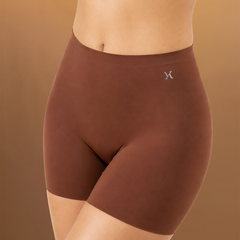
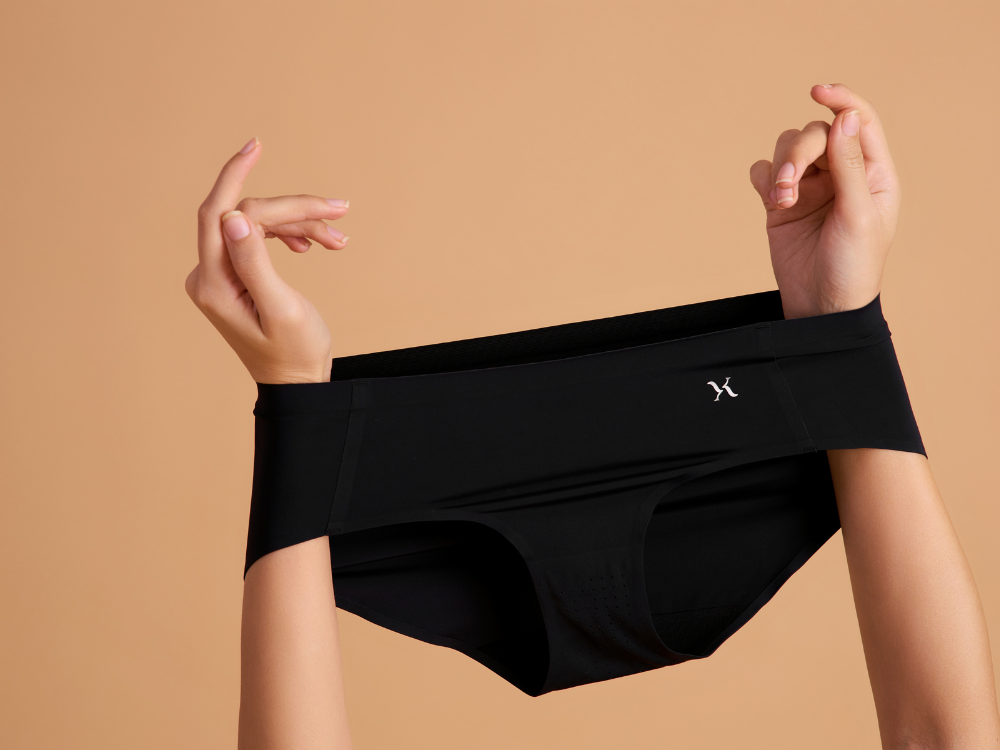
The AirSoft Boyshorts from Krvvy, built in a lightweight polyamide blend with smooth edges, work well for this use case. The fabric manages warmth without weight, the edges sit flat through movement, and the boyshort cut provides enough coverage that there is no riding or shifting during activity.
Moderate activity: yoga, pilates, walking, light cycling
Fabric requirements are less strict here because sweat levels are lower and movement is more controlled. Both moisture-wicking synthetic and breathable cotton work for moderate activity. Construction still matters — seamless or bonded edges are worth having regardless of intensity level, because chafing is cumulative and even moderate friction over an hour-long session adds up.
Low impact activity and recovery: stretching, walking, rest days, post-workout
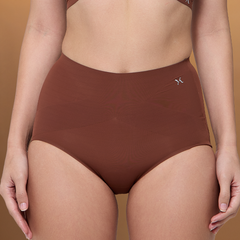
This is where cotton comes into its own for active wear. The Krvvy Organic Mid Rise Cotton Hipster is built from natural cotton fibres that are breathable and soft against the skin, with Bonding Tech construction that removes the raised seam edges that cause chafing. The mid rise placement sits comfortably through low impact movement without rolling or shifting, and the full rear coverage means nothing rides up during stretching or walking.
For women who prefer natural fibres close to the skin during activity, or who find synthetic fabric uncomfortable for longer low-key wear, the Cotton Hipster is the practical answer. It is not designed for a high intensity session, but for everything below that threshold it handles movement well and stays comfortable through an extended wear day.
Hot yoga and high-sweat environments
Moisture management becomes critical here even if the activity itself is low impact. The heat drives sweat levels up significantly, and cotton in a hot yoga studio will feel heavy and damp within the first fifteen minutes. Moisture-wicking synthetic fabric only for this context.
What to Avoid in Sports Underwear
A few specific things that consistently cause problems during activity:
Lace trim at the leg opening: Decorative lace creates a textured edge that chafes during repetitive movement. Fine for everyday wear, genuinely uncomfortable for anything involving sustained activity.
Loose waistbands: A waistband that fits correctly at rest may roll during movement, especially during exercises that involve bending and extending. A waistband with enough grip to stay in place through a full range of motion is worth prioritising.
Very thin fabric without recovery: Fabric that stretches but does not return to its original shape quickly ends up bunching and shifting during movement. Look for fabric with a meaningful elastane content that snaps back after stretching.
Underwear that is too small: Underwear sized down for a snugger feel creates pressure points that are manageable at rest but become painful during movement. Sports underwear should fit snugly without any pulling or digging at the leg or waist.
Building a Sports Underwear Rotation
A practical sports underwear rotation does not need to be large. A few well-chosen pairs across fabric types covers most activity needs without overcomplicating things.
Two to three pairs of seamless moisture-wicking hipsters or boyshorts for gym, running, and high intensity sessions. The AirSoft Boyshorts handle this well.
Two to three pairs of the Organic Mid Rise Cotton Hipster for rest days, low impact activity, recovery, and longer low-key wear days where natural fibre comfort matters more than moisture management.
That is the full rotation for most women. Eight pairs across two fabric types, used intentionally based on what the day demands.
FAQs
Is cotton underwear okay for the gym?
For low impact activity and recovery days, yes. For high intensity sessions where sweat levels are significant, cotton holds moisture against the skin and becomes uncomfortable quickly. The practical answer is cotton for lighter activity and moisture-wicking synthetic fabric for anything more demanding.
Does seamless underwear really prevent chafing?
Yes, significantly. Raised sewn seams create friction points that amplify with repeated movement. Seamless and bonded construction removes those edges entirely, which eliminates the main source of chafing in standard underwear during activity.
How do I know if my sports underwear fits correctly?
It should sit flat at the waist and leg openings without digging or pulling, stay in place through a full range of motion without requiring adjustment, and feel snug without any pressure points. If you are aware of it during a workout, the fit or construction needs revisiting.
Can I wear a thong for working out?
Some women do, particularly for activities where rear coverage creates visible lines under fitted leggings. For high intensity activity, the minimal coverage can shift more than a hipster or brief construction. Personal comfort is the deciding factor, but a seamless hipster tends to stay in place more reliably during sustained movement.
How often should I replace sports underwear?
When the waistband loses its grip, the fabric loses its stretch recovery, or seamless edges start to fray or roll. For regularly worn pairs, this is typically every six to twelve months depending on wash frequency and care. Cold wash and air dry extends the life of both cotton and synthetic sports underwear significantly.