


Thong, Hipster, or Full Brief? Let's Settle the Underwear Style Showdown
Reviewed by Dhriti ChopraBrand Manager, KrvvyKey Takeaways
-
No single underwear style wins for every situation.The right one depends on the outfit, the activity, and the body
-
Thongs solve one problem (visible lines) but aren't the all-day comfort answer for everyone
-
Hipsters are the most versatile everyday style for most body types
-
Full briefs offer the most coverage and are underrated for both comfort and practicality
-
Fit matters more than style. The best cut in the wrong size will always feel wrong
-
Build a small rotation across styles rather than committing to one for everything
Why This Debate Never Gets Settled
Ask ten women which underwear style is best and you'll get ten different answers. Usually based on what their body got used to, what they were told to wear under certain outfits, or what happened to be comfortable the first time they tried it.
The underwear style conversation rarely gets settled because it's almost never framed correctly. It's not a competition. Each style was designed to solve a specific problem, and the one that works best for you depends entirely on what you're wearing, what you're doing, and what your body finds comfortable over the course of a full day.
Here's an honest breakdown of all three what each one actually does, where it works, where it doesn't, and who it tends to suit.
The Thong: Misunderstood on Both Sides
The thong has two very loud fan clubs: people who swear by it for everything, and people who tried it once and never went back. Both camps tend to be reacting to fit rather than style.
What it's designed to do: Eliminate visible panty lines under fitted clothing. The minimal back coverage means there's no fabric edge across the seat to create a ridge under dresses, trousers, or skirts.
Where it genuinely works:
-
Under bodycon dresses and fitted trousers where rear lines are visible
-
Under bias-cut or satin fabric where any texture shows
-
For women who run warm and prefer minimal coverage
Where it doesn't:
-
As an all-day comfort option for women who find the back strip uncomfortable, this is a fit issue as much as a style one, but some bodies simply don't get along with the construction
-
Under loose or flared silhouettes where rear lines aren't visible anyway so there's no problem to solve
-
During high-movement activity, most thongs aren't designed for that kind of wear
The fit note: Most thong discomfort comes from wearing the wrong size. Too small and the waistband cuts in; too large and the back strip shifts. A well-fitted thong in a soft, stretchy fabric sits without moving and without pressure. If you've written off thongs entirely, it may be worth trying one size up before making it permanent.
The Hipster: The Everyday Workhorse
If the thong is a specialist tool, the hipster is the generalist and for most women, it's the style that works across the widest range of situations without requiring much thought.
What it's designed to do: Sit at or just below the hip bone, covering the seat fully with a low-rise waistband. More coverage than a thong, less than a full brief, with a leg opening that sits mid-thigh rather than high on the hip.
Where it genuinely works:
-
Everyday wear - the coverage is comfortable without being restrictive
-
Under mid-rise and high-rise trousers and jeans, where the waistband sits below the trouser line
-
For women who want coverage without bulk
-
Most body types - the hip-level waistband tends to be flattering across a wider range than either extreme
Where it doesn't:
-
Under very low-rise bottoms, where the waistband can peek above the waistline
-
Under extremely fitted silhouettes in thin fabric, where the leg seam can still show, seamless hipsters solve this, standard ones don't always
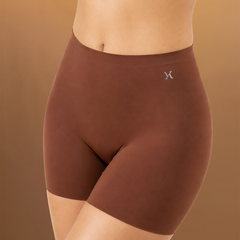
Krvvy's AirSoft Boyshorts sit in similar territory to a hipster. Slightly more coverage across the seat and thigh, with a lightweight fabric and smooth edges that work well under fitted clothing. For women who like hipster coverage but want a cleaner finish under dresses, the boyshort construction is worth trying.
The fit note: Hipsters should sit flat at the hip without digging. If the waistband is rolling or the leg openings are pulling, the size is off, not the style.
The Full Brief: The One That Got Unfairly Sidelined
Somewhere along the way, full briefs got relegated to a punchline. That's a fitting problem masquerading as a style opinion.
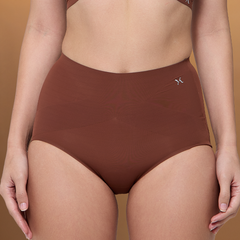
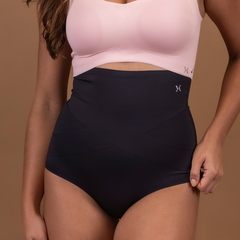
A well-made full brief high waist, full seat coverage, leg opening at the natural hip is genuinely one of the most comfortable underwear styles available. It became associated with frumpiness because most women encountered it in poor-quality fabric, with elastic that dug in and fabric that bunched. The style itself isn't the issue.
What it's designed to do: Full coverage, full comfort. The high waistband sits at or above the natural waist, covering the entire seat and lower abdomen. No riding, no adjusting, no gap between waistband and skin.
Where it genuinely works:
-
Under high-waisted skirts and trousers, the waistband doesn't peek, and the coverage is complete
-
Period days, bloating, or any time you want maximum comfort without thinking about what you're wearing underneath
-
Postpartum or post-surgery recovery
-
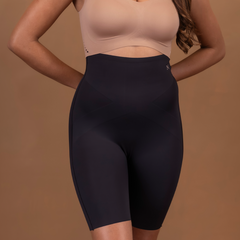
Under shapewear, a full brief under the Krvvy All Day Control Shaper creates a smooth, stable base without any rolling or shifting
-
Women who simply find more coverage more comfortable which is a completely valid preference and not something that needs justifying
Where it doesn't:
-
Under low-rise bottoms, where the waistband will be visible
-
Under very fitted dresses in thin fabric, where the leg line shows, seamless full briefs work better here than standard ones
The fit note: A full brief should sit smoothly at the waist without cutting in. If it's rolling down, the waistband tension is off, try a different size or a style with a wider, softer waistband.
How to Build a Rotation That Actually Makes Sense
The most practical answer to the style debate isn't picking a winner, it's having a small rotation that covers different outfit needs without overcrowding a drawer.
A functional base:
-
2–3 seamless hipsters or boyshorts for everyday wear and fitted outfits
-
1–2 thongs for specific outfits where rear lines matter
-
2–3 full briefs for high-waisted outfits, comfort days, and period wear
-
1 shapewear piece for occasions that call for a completely smooth silhouette
That's it. Eight to ten pairs across styles covers nearly every situation without requiring a different answer every morning.
FAQs
Are full briefs actually comfortable or just a compromise?
Genuinely comfortable, when made well. The compromise reputation comes from poor-quality construction (stiff elastic, cheap fabric, bad sizing). A full brief in soft, well-fitted fabric is one of the least intrusive underwear styles you can wear. Many women who switch to them for comfort days end up preferring them most of the time.
Which style is best for working out?
Neither a thong nor a standard brief is ideal for high-movement activity. A fitted seamless hipster or a dedicated sports brief with moisture-wicking fabric works best enough coverage to stay in place, no excess fabric to bunch, and a fabric that manages sweat rather than holding it.
Can hipsters work under high-waisted outfits?
Yes, if the rise of the hipster sits below the waistband of the outfit. Standard hipsters sit at the hip bone, most high-waisted trousers and skirts will clear that. If you're finding the waistband peeks above, try a lower-rise hipster or switch to a full brief that sits at the natural waist and stays within the outfit's coverage zone.
How do I know if my underwear size is wrong?
Rolling waistbands, digging leg openings, fabric that pulls or bunches, or the feeling that you're adjusting throughout the day. Any of these signal a size issue. Underwear in the right size sits without tension and without adjustment if you're thinking about it, something's off.