


What No One Tells You About Wearing Shapewear for the First Time
Key Takeaways
-
First-time shapewear wear comes with a learning curve that nobody warns you about
-
The most common first-time mistakes are sizing down for more compression and choosing too heavy a compression level for the occasion
-
Shapewear should feel firm and held, not tight or restricted, if it feels punishing it is the wrong size or wrong compression
-
Putting shapewear on correctly is a skill and there is a right way to do it
-
The first wear should be a low-stakes occasion, not a wedding or a twelve-hour event
-
Most first-time shapewear experiences that go badly are a fit problem, not a shapewear problem
The Gap Between Expectation and Reality
Most women buy their first shapewear piece for a specific occasion. A wedding. A formal event. An outfit that has been sitting in the wardrobe waiting for the right moment. The shapewear arrives, gets put on for the first time on the morning of the event, and somewhere between the dressing room and the car the problems start. It rolls. It digs. It is harder to breathe in than expected. By the reception it is all anyone can think about.
None of that is inevitable. It is almost always the result of buying the wrong piece, wearing it in the wrong size, or trying it for the first time at the highest-stakes possible moment. This guide covers everything that should have been said before the first purchase.
The Sizing Mistake Almost Everyone Makes
The single most common first-time shapewear mistake is sizing down.
The logic makes intuitive sense: a smaller size means more compression, more compression means more smoothing, more smoothing means a better result. In practice it works the other way. Shapewear that is too small compresses unevenly, creates pressure hotspots at the waistband and leg openings, pushes volume upward above the waistband or downward below the thigh opening, and becomes progressively more uncomfortable as the hours pass.
Shapewear in the correct size compresses evenly across the coverage zone, sits without digging, and holds its position through a full day of movement. The smoothing effect of correctly sized shapewear is better than the smoothing effect of shapewear that is too small, because even compression produces an even result.
The rule: measure your waist and hip circumference and buy the larger of the two measurements on the brand's size chart. Never size down. If you fall between two sizes, go up.
Choosing the Right Compression Level
Shapewear comes in a range of compression levels, and choosing the wrong one for a first wear is the second most common mistake.
Light compression feels like a firm second skin. It holds and smooths without any sense of restriction and is comfortable enough to wear through a full day without thinking about it. This is the right starting point for a first shapewear piece and for any piece intended for regular daily wear.
Medium compression provides more hold and a more defined silhouette. It is appropriate for occasion wear and longer events but requires some acclimatisation if you have not worn shapewear before. Wearing medium compression for the first time at a twelve-hour wedding is asking a lot of both the garment and the body.
Heavy compression is a specialist tool for specific occasions and short wearing periods. It is not a daily wear option and not a first-time option. The results are more dramatic but so is the discomfort if the size or wearing duration is off.
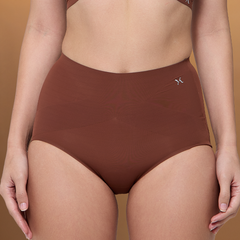
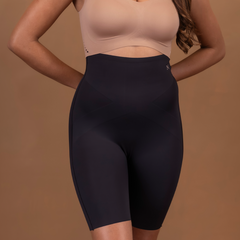
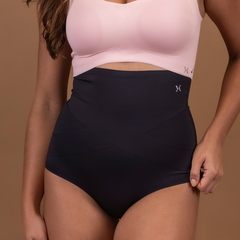
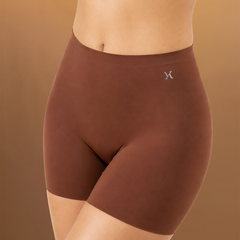
For a first shapewear purchase, light to medium compression is the practical range. The Krvvy All Day Control Shaper sits in this range by design, calibrated for all-day comfort rather than maximum cinching, which makes it a forgiving first piece for women new to shapewear.
How to Actually Put Shapewear On
This sounds basic but it is not, and nobody explains it.
Trying to step into shapewear and pull it up in one motion the way you would pull up regular underwear does not work well, particularly with medium compression pieces. The fabric bunches, the waistband folds, and the whole thing ends up sitting unevenly before you have even started.
The correct approach:
Turn the shapewear inside out down to the gusset. Step in and pull up to the knee level first, making sure both legs are even. Then gradually roll the fabric upward from the knees to the thighs, then from the thighs to the waist, smoothing as you go rather than pulling in one motion. Once at the waist, stand straight and check that the waistband is sitting level, the fabric is smooth at the front and back with no bunching, and the leg openings are sitting flat rather than cutting in.
This rolling-up method takes an extra two minutes compared to pulling up in one go and makes a significant difference to how evenly the garment sits and how comfortable it is through the day.
The First Wear Should Not Be a Big Occasion
This is the advice most women wish someone had given them before the first purchase.
Wearing shapewear for the first time at a wedding, a formal event, or any occasion where you will be wearing it for eight or more hours without a break is setting yourself up for a difficult experience. The body needs time to adjust to the feeling of compression, and the first wear is when you learn whether the size is right, whether the compression level is appropriate, and whether the specific style works for your body.
The first wear should be a low-stakes few hours. Put it on at home for an afternoon. Sit down, stand up, eat a meal, move around normally. This tells you whether the waistband is rolling, whether the compression is too much or too little, whether the leg openings are comfortable through movement, and whether the overall fit is right.
If everything feels correct after a few hours at home, the shapewear is ready for a real occasion. If something is off, you have time to exchange or replace it before the event rather than discovering the problem on the morning of a wedding.
What Normal Feels Like vs What Wrong Feels Like
First-time shapewear wearers often cannot tell the difference between normal compression and a fit problem, because both are unfamiliar. Here is the distinction:
Normal: A firm, even pressure across the coverage zone. A sense of being held rather than squeezed. Slight awareness of the garment that fades within thirty minutes. The ability to breathe, sit, and move normally without restriction.
Wrong: Pressure that builds rather than settles over the first thirty minutes. A waistband that digs into the skin or leaves a visible mark after short wear. The feeling of needing to adjust constantly. Difficulty taking a full breath. A visible bulge above the waistband or below the thigh opening. Any of these signal a size or compression issue that needs addressing before wearing for a full occasion.
Bathroom Logistics: The Practical Reality
Nobody talks about this and everyone wonders about it.
Standard shaping briefs and shorts have a gusset opening that makes bathroom use possible without removing the garment entirely. Check whether the specific style you are buying has this before purchasing, particularly for longer occasions.
Full body shapers and bodysuits vary more widely. Some have snap closures at the gusset, some require partial removal. Knowing which you have before the occasion removes a practical stress on the day.
For very long occasions, building in one full removal and re-wear midway, at a natural break point, lets you readjust, check the fit, and make sure everything is still sitting correctly for the second half of the event.
FAQs
Should I size down in shapewear for more compression?
No. Sizing down creates uneven compression, pressure hotspots, and visible bulging above and below the garment edges. Correctly sized shapewear in the right compression level produces a better result than undersized shapewear in a lower compression level.
How long does it take to get used to wearing shapewear?
Most women adjust to the feeling of light to medium compression within thirty minutes of putting it on. The adjustment period is longer for heavier compression. Wearing shapewear for a few hours at home before a big occasion significantly reduces the adjustment period on the day.
Can I wear shapewear if I have never worn it before and have a big event coming up?
Yes, but do a trial wear at home first. Buy the piece at least a week before the event, wear it for a few hours on a regular day, and confirm the fit and comfort level before the occasion. Do not wear any shapewear for the first time on the day of an important event.
Is it normal for shapewear to feel tight at first?
A firm, even pressure across the coverage zone is normal. Tightness that feels restrictive, digs in, or makes breathing difficult is a sign that the size or compression level is wrong. Correct shapewear should feel held, not constricted.
What do I do if my shapewear rolls down at the waist?
Rolling almost always signals a waistband construction issue or a size issue. Check that the waistband is wide enough to grip at the natural waist without folding. If the waistband is wide and still rolling, the size may be slightly too large. Going down one size, without going below your measured size, is the adjustment to try.