

Why You Feel Exhausted by Evening: Could Your Innerwear Be the Problem
Key Takeaways
-
Physical fatigue that builds through the day and eases after getting home and changing is often connected to what the body has been managing underneath clothing all day
-
Tight waistbands, underwire pressure, and fabric that traps heat are all low-level physical stressors that accumulate across eight to twelve hours
-
The body uses energy to manage sustained discomfort, even when that discomfort is too minor to consciously register as a problem
-
Breathable fabric, correct sizing, and construction that does not create pressure points reduce the physical load innerwear puts on the body through the day
-
The relief of taking a bra off at the end of the day is not just psychological, it is the removal of physical work the body has been doing all day
-
Small, consistent physical stressors compound in a way that a single large stressor does not, which is why the connection to innerwear is so rarely made
The Exhaustion Nobody Connects to Clothing
There is a specific kind of tiredness that arrives reliably by early evening. Not the tiredness from a hard day of work or a bad night of sleep. A physical heaviness that settles in the shoulders and upper back, a low-level tension that has been building since morning, and a relief that arrives almost immediately when you get home, change clothes, and take your bra off.
Most women attribute this to the day itself. The screen time, the commute, the mental load of work. All of these are real contributors. But the physical component of evening fatigue has a more specific cause that almost never gets named: the body has spent eight to twelve hours managing a category of sustained low-level physical stress from innerwear that does not fit correctly, does not breathe adequately, or creates pressure points that the body works continuously to accommodate.
This is not dramatic. None of the individual stressors are significant on their own. But they are constant, and constant low-level physical stress across a full day adds up to real fatigue by the time evening arrives.
How the Body Manages Sustained Discomfort
The body does not simply tolerate discomfort passively. When something is creating a sustained pressure, friction, or restriction, the body actively works to manage it. Muscles make micro-adjustments to relieve pressure. Posture shifts to accommodate a wire sitting incorrectly. The traps stay slightly engaged all day because tight straps are pulling at the shoulder. The core holds a subtle tension because a tight waistband is pressing against the abdomen.
None of these adjustments are conscious. They happen in the background of everything else the body is doing through the day. But they use energy. Not a significant amount in any single moment, but continuously, across eight to twelve hours, the cumulative energy cost of managing sustained physical stress from innerwear is real.
This is why the relief of removing a bra at the end of the day feels so immediate and so physical. It is not just the psychological relief of getting home. It is the genuine physical release of muscles and tissues that have been managing pressure all day finally being able to stop.
The Specific Culprits
A band that is too tight:
A band that digs into the ribcage creates a sustained pressure against the body's natural breathing movement. Every breath slightly expands the ribcage. A band that is too tight resists that expansion minutely but continuously. The breathing muscles work slightly harder than they should all day. By evening the chest feels tight and the body feels more tired than the day seems to warrant.
A band that is correctly fitted sits snugly without resisting the natural movement of breathing. Two fingers should fit underneath without the band pulling away from the back significantly. If it leaves a visible mark around the ribcage by the end of the day, it is too tight and the breathing muscles have been working against it all day.
A band that is too loose:
A loose band does not create pressure but it creates its own energy cost. The upper back muscles compensate for the support the band is not providing. The traps hold the weight the straps are carrying because the band is not doing its share. The body spends the day managing a weight distribution problem that correct band fit would solve immediately.
Underwire sitting incorrectly:
Underwire pressing against breast tissue rather than sitting beneath it creates a sustained pressure point that the body registers and manages continuously. The subtle postural shifts to accommodate an uncomfortable wire, the constant low-level awareness of the pressure, and the muscle tension created by the body's attempt to find a more comfortable position all contribute to the fatigue that builds through the day.
Fabric that traps heat:
The body works to regulate its temperature continuously. When fabric traps heat against the skin, the body works harder to manage that heat load. In Indian weather conditions where ambient temperature is already high for much of the year, innerwear that adds a heat retention layer makes the body's temperature regulation job significantly harder.
This is most relevant in the underarm area and beneath the bra band, where fabrics without moisture-wicking properties holds warmth and dampness against the skin. The body is managing a heat and moisture load all day that breathable fabric would have removed.
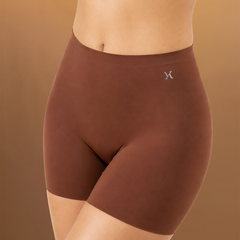
The AirSoft Boyshorts and Ultrasoft Bralette are both built in lightweight polyamide blends that move moisture away from the skin rather than holding it. For women who find themselves consistently warm and uncomfortable through the day, switching to moisture-wicking fabric in both underwear and bra reduces the thermal management load the body is carrying.
Tight waistbands and leg openings:
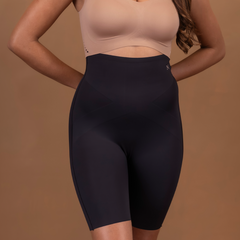
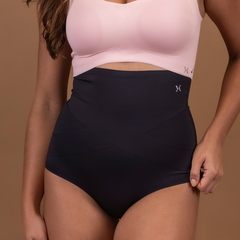
Tight elastic anywhere on the body creates sustained pressure against the skin and underlying tissue. At the waist, this affects the digestive system's comfortable functioning through the day. At the leg openings, it creates friction and restriction with every step. Neither is acutely painful, but both are consistent background stressors that the body is managing from the moment the underwear goes on to the moment it comes off.
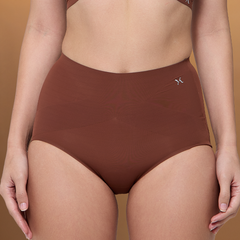
The Cotton Hipster and AirSoft Boyshorts both use soft, wide waistbands with enough elastane to hold without digging. The bonded edges at the leg openings sit flat rather than creating a raised elastic border that presses into the skin with every movement.
The Cumulative Effect
The reason this connection is so rarely made is that none of these stressors are significant enough in isolation to identify as a problem. A slightly tight band is not painful. Underwire sitting slightly wrong is uncomfortable but manageable. Fabric that is a little warm is not a crisis. Each one, on its own, is the kind of thing the body simply deals with.
But the body deals with all of them simultaneously, for the entire day, every day. The cumulative effect of multiple small stressors sustained across eight to twelve hours is genuine physical fatigue that lands in the evening as heaviness, tension, and the overwhelming desire to change into something comfortable.
The test is simple and worth trying. For one week, wear innerwear that fits correctly, is made from breathable fabric, and has no pressure points anywhere on the body. Note whether the evening fatigue changes. For most women who make this change, the difference in how they feel by six in the evening is noticeable enough to be its own answer.
Building an Innerwear Routine That Does Not Exhaust You
The practical changes that address the fatigue that comes from innerwear are the same changes that address fit, fabric, and construction across every other innerwear concern.
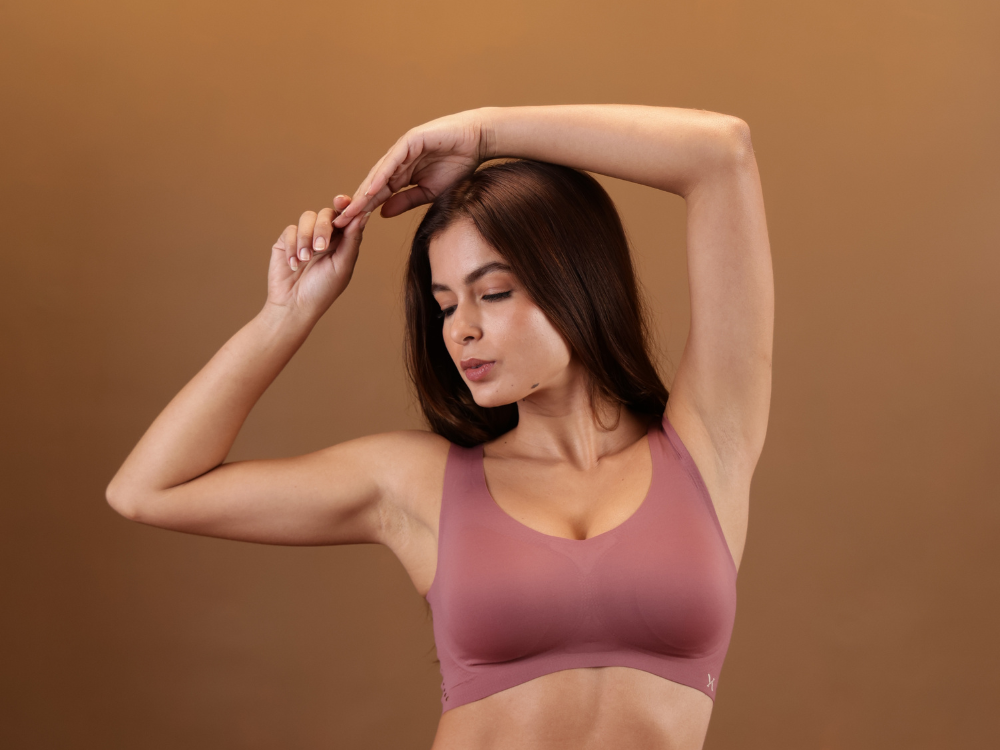
For bras: the Trueform Support Bra for structured everyday support without underwire pressure points. Wireless construction removes the placement variable entirely, which means one less thing the body is managing all day. The seamless exterior sits without edges or friction against the skin.
For days when even a structured wireless bra feels like too much, the Ultrasoft Bralette provides soft coverage without any construction that creates sustained pressure. The fabric is light enough that it does not add a heat layer against the skin, and the absence of any rigid components means there is nothing for the body to manage around.
For underwear: the AirSoft Boyshorts for warm weather and active days where moisture management reduces the heat load. The Cotton Hipster for cooler days and rest where natural fibre breathability is the priority. Both use soft waistbands and bonded edges that sit without creating the pressure points that accumulate into evening fatigue.
Washing innerwear with Ugees Undergarment Wash preserves the fabric quality that makes these properties last. Detergent residue that builds up in fabric over time reduces its moisture-wicking effectiveness, which means the heat and moisture management properties that reduce fatigue degrade faster than the fabric itself does. A dedicated undergarment wash keeps the fabric performing the way it was designed to.
FAQs
Can innerwear really cause physical fatigue?
Yes, through the cumulative effect of sustained low-level physical stressors. A band that resists breathing, underwire sitting incorrectly, tight waistbands, and fabric that traps heat are all small individual stressors that the body manages continuously across a full day. The energy cost of managing them adds up to real fatigue by evening.
How do I know if my innerwear is contributing to my evening tiredness?
The clearest sign is fatigue that eases noticeably within thirty minutes of getting home and changing. Strap marks on the shoulders, a band mark around the ribcage, and red lines at the waistband or leg openings by the end of the day all indicate that sustained pressure has been applied to the body throughout the day.
Is wireless innerwear less tiring to wear than underwired?
For many women, yes. Underwire that fits correctly is not a significant stressor. Underwire that sits incorrectly creates a sustained pressure point the body manages all day. Wireless construction removes this variable entirely. For women who consistently find underwired bras uncomfortable by afternoon, switching to a wireless style with good band support reduces one consistent source of physical stress.
Does fabric choice affect how tired I feel by the end of the day?
Yes in warm conditions. Fabric that traps heat makes the body work harder to regulate temperature through the day. Moisture-wicking fabric that moves warmth and sweat away from the skin reduces this thermal management load. In Indian weather conditions for much of the year this is a relevant daily variable rather than an occasional one.
Will changing my innerwear size actually make a difference to my energy levels?
For women whose innerwear is creating sustained pressure through incorrect sizing, yes. A band that is too tight resists natural breathing movement all day. A band that is too loose makes the upper back muscles work to compensate for missing support. Both create an energy cost that correct sizing removes. The difference is not dramatic in any single moment but is consistent and cumulative across a full day.