

Why Your Underwear Might Be Causing Recurrent UTIs (And What to Change)
Reviewed by Dhriti ChopraBrand Manager, KrvvyKey Takeaways
-
Recurrent UTIs in women are often connected to hygiene and fabric habits that are completely fixable
-
The fabric sitting closest to the body all day matters more for bacterial balance than most women realise
-
Man-made fabric in the gusset area traps moisture and heat, creating exactly the conditions bacteria need to grow
-
A cotton gusset, correct sizing, and breathable fabric are the three most impactful innerwear changes for UTI-prone women
-
Tight underwear that restricts airflow and holds moisture against the skin is a consistent but overlooked contributing factor
-
Changing innerwear habits does not replace medical treatment but it does address one of the most common and correctable underlying causes
The Connection Nobody Makes at the Doctor's Office
Recurrent UTIs are one of the most common health complaints among women in India. The standard advice covers hydration, wiping direction, and not holding in urine for too long. All of it is valid. Almost none of it mentions what is sitting against the body for twelve hours a day, every day.
Underwear fabric, fit, and construction create the immediate physical environment around the most UTI-vulnerable part of the body. Whether that environment is warm and damp or cool and dry, whether it allows airflow or traps heat, whether it holds moisture against the skin or moves it away — all of these have a direct bearing on the conditions that allow bacteria to thrive or not.
This is not a replacement for medical advice or treatment. But for women who have treated one UTI only to develop another a few months later, looking at what the body is in contact with all day is a practical and often overlooked place to start.
The Gusset: The Most Important Part of Underwear Nobody Talks About
The gusset is the small panel of fabric sewn into the crotch area of underwear. It sits directly against the most sensitive skin of the body for the entire time the underwear is worn. And in a significant proportion of underwear sold today, the gusset is made from the same fabric as the rest of the garment.
Artificial fabric does not breathe the way natural fabric does. It manages moisture differently, moving it toward the surface rather than absorbing it, which is useful in activewear but creates a problem in underwear where the moisture being moved is being directed toward skin that needs to stay dry and cool.
A cotton gusset changes this. Cotton absorbs moisture rather than redirecting it, which keeps the immediate skin surface drier. It also allows more air movement through the fabric, which reduces the warm, damp conditions that bacterial growth requires.
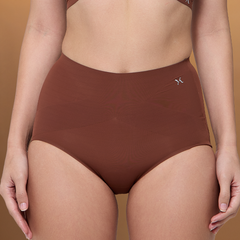
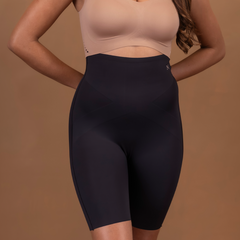
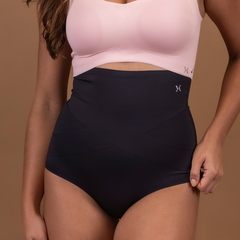
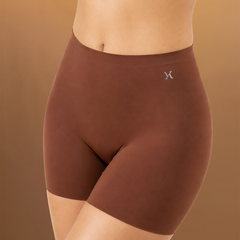
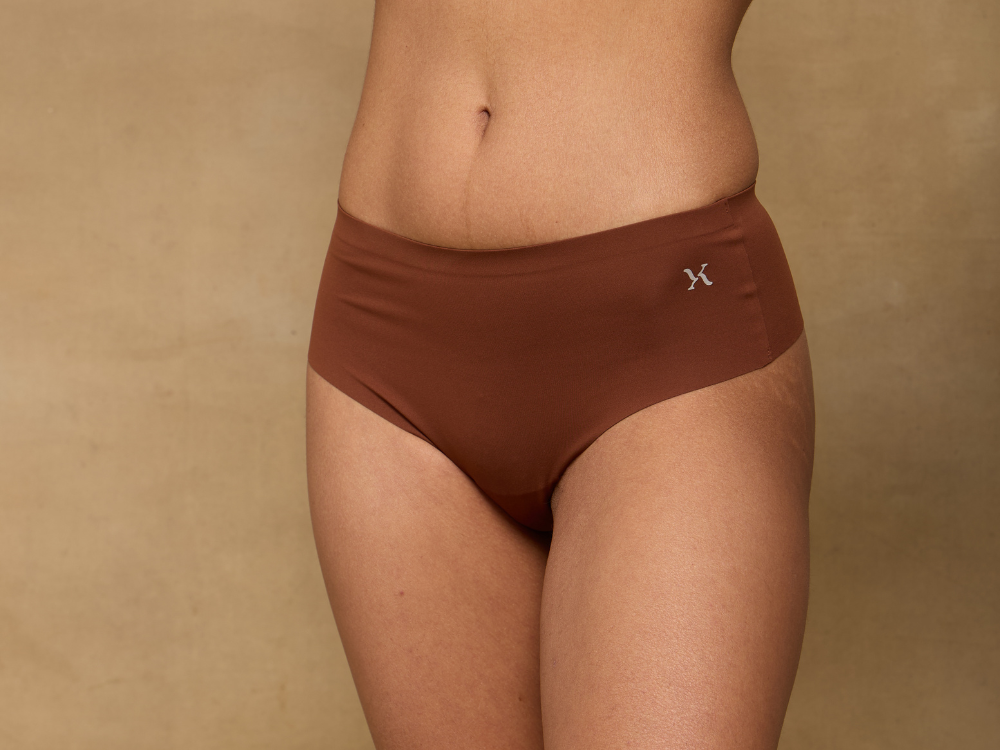
Every underwear style in Krvvy's range, including the Breeze Hipster, the AirSoft Boyshorts, and the seamless everyday styles, is built with a cotton gusset for exactly this reason. The outer construction varies across styles depending on the fabric and fit requirements of each, but the panel sitting directly against the skin is always cotton. For women who want full cotton construction throughout, the Organic Mid Rise Cotton Hipster covers this entirely, with natural cotton fibres from gusset to waistband.
Fit: How Tight Underwear Makes Things Worse
Underwear that is too tight creates two problems that are directly relevant to UTI risk.
The first is mechanical. Tight fabric pressing continuously against the skin in the gusset area creates friction and warmth that would not be present in correctly fitted underwear. That warmth and friction elevates the local temperature and moisture level, creating more favourable conditions for bacterial growth than loose, breathable fabric would.
The second is circulatory. Very tight elastic at the leg openings and waistband restricts the normal movement of air around the body in that area. Underwear is not airtight and is not meant to be. A small amount of air movement is part of what keeps the skin in that area dry and cool. Tight elastic that creates a seal around the leg opening and waist removes that airflow and contributes to the warm, moist environment that is the problem.
Correctly fitted underwear sits snugly without pressing. The leg openings sit flat without cutting into the skin. The waistband holds without digging. There is enough give in the fabric that movement does not pull the gusset out of position or create sustained pressure against the skin.
If the leg openings of your underwear leave a visible mark on the skin by the end of the day, the fit is too tight and it is worth trying a size up before attributing recurring discomfort or UTIs to other causes.
Hygiene Habits That Interact With Innerwear
Fabric and fit create the conditions. Hygiene habits determine what happens within those conditions. The two work together, and improving one without addressing the other produces incomplete results.
Changing underwear daily is the baseline. For women who exercise, changing immediately after a workout rather than wearing damp underwear through the rest of the day removes a significant moisture and bacterial load from the skin.
How you wash your underwear matters as much as how often you change it. Standard detergents leave residue in fabric that irritates sensitive skin and reduces the breathability of the cotton gusset over time. Ugees Undergarment Wash is designed specifically for innerwear — gentle enough to preserve fabric quality and elasticity, effective enough to actually clean rather than just rinse. Using a dedicated undergarment wash rather than a standard detergent or fabric softener keeps the cotton gusset functioning the way it is meant to, wash after wash.
Fabric softener used on the gusset area specifically can leave a coating that reduces the natural absorbency of cotton. If you are not using a dedicated undergarment wash, skipping fabric softener on innerwear is the practical alternative.
The Underwear Changes Worth Making
For women who experience UTIs regularly and have not considered innerwear as a contributing factor, a few specific changes are worth trying:
Switch the everyday underwear to a style with a cotton gusset. Every Krvvy underwear style has one, which means the change is about finding the right fit and fabric combination for your daily wear rather than searching for a specific construction feature. The AirSoft Boyshorts work well for active and warm weather days where breathability and moisture management are the priority. The Organic Mid Rise Cotton Hipster covers rest days and everyday wear where full natural fibre contact is what the body needs.
Check the fit and go up a size if current underwear is leaving marks. Correctly fitted underwear makes a practical difference to airflow and friction in the gusset area.
Switch to Ugees Undergarment Wash for laundering innerwear. Preserving the integrity of the cotton gusset through correct washing keeps it doing its job rather than gradually reducing its effectiveness with standard detergent residue.
Change immediately after exercise rather than wearing damp underwear into the rest of the day.
Avoid sleeping in underwear with a non-cotton gusset on nights when UTI symptoms are present or recently resolved. Cotton or no underwear overnight reduces the sustained warm, damp environment that slows recovery.
FAQs
Does underwear fabric really affect UTI risk?
It contributes to the conditions that affect UTI risk. Warm, damp conditions close to the skin create a more favourable environment for bacterial growth than cool, dry ones. Fabric that traps heat and moisture contributes to the former. A cotton gusset contributes to the latter. It is one factor among several rather than the sole cause.
Do all Krvvy underwear styles have a cotton gusset?
Yes. Every underwear style in Krvvy's range is built with a cotton gusset regardless of the outer fabric construction. For women who want full cotton construction throughout, the Organic Mid Rise Cotton Hipster is made entirely from natural cotton fibres.
Can tight underwear really cause UTIs?
Tight underwear creates conditions, warmth, friction, and reduced airflow, that contribute to the environment where UTI-causing bacteria are more likely to thrive. It is a contributing factor rather than a direct cause. Correctly fitted underwear that does not press against the skin is a practical change worth making alongside other UTI prevention habits.
Does the way I wash my underwear matter for UTI prevention?
Yes. Standard detergents leave residue that reduces fabric breathability over time and can irritate sensitive skin. A dedicated undergarment wash like Ugees preserves the cotton gusset's absorbency and keeps the fabric gentle against skin through repeated washing.
Should I avoid synthetic underwear entirely if I am UTI-prone?
The cotton gusset in all Krvvy styles means the direct skin contact point is always natural fibre regardless of the outer fabric. For everyday wear, the Organic Mid Rise Cotton Hipster offers full cotton construction. Synthetic outer fabric for specific purposes like active wear or fitted outfits is a reasonable choice as long as the gusset is cotton and the underwear is changed promptly after extended wear.