
Getting Dressed After a C-Section: What Actually Helps and What to Avoid
Quick answer: Avoid any compression near your c-section incision for the first two to four weeks, while it is still actively healing. After that, choose light compression only, with a wide, soft waistband that sits above the incision rather than across it. Heavy compression is not suitable for recovery, and always check with your doctor before wearing any compression garment after a c-section.
The C-Section Recovery Nobody Fully Prepares You For
A c-section is major abdominal surgery. The incision goes through seven layers of tissue. Recovery involves those layers healing from the inside out over weeks, and the external scar that is visible is only the outermost part of what the body is repairing.
Most conversations about postpartum recovery focus on the baby and the emotional adjustment. The practical physical reality of navigating daily life while an abdominal wound heals gets significantly less airtime. What to wear. What feels comfortable. What helps and what makes things worse. These are real, immediate questions that new mothers are dealing with from the first day home from the hospital, and they deserve honest practical answers.
This blog is about one specific part of that: when and how shapewear can help with c-section recovery, what to look for, what to avoid, and why the All Day Control Shaper specifically sits in the right territory for this use case.
Why Timing Is Everything
The most important variable in postpartum shapewear after a c-section is not the product. It is when it is introduced.
In the first two to four weeks after a c-section, the incision site is actively healing. The internal layers are still closing. The external scar is tender, sensitive, and in some cases still has sutures or steri-strips in place. Anything with compression sitting against or near the incision during this phase is not appropriate, and this includes most postpartum garments marketed aggressively to new mothers in the immediate postpartum period.
High-waisted compression across the abdomen in these early weeks can restrict blood flow to the healing tissue, create pressure that interferes with the closure of deeper layers, and cause significant pain at a site that is already managing its own healing process. This is not a conservative opinion. It is the reason almost every medical guideline on postpartum compression recommends waiting.
The general window that most doctors work with is six to eight weeks post c-section before introducing compression garments. This is a starting point rather than a universal rule, because individual recoveries vary significantly. Some women heal faster. Some experience complications that extend the timeline. Some have specific medical reasons their doctor recommends earlier or later introduction of support garments.
The only person who can accurately assess where a specific body is in its healing at a specific point is the doctor who has examined that body. That conversation, before anything with compression is introduced, is not optional.
What Changes Between Six Weeks and the Months That Follow
At around the six to eight week mark, assuming healing has progressed normally and a doctor has cleared compression wear, the body is ready to receive gentle abdominal support in a way it was not in the weeks before.
The incision is closed externally and progressing internally. The core muscles that were cut through during the procedure are beginning to reconnect with the abdominal wall. The postpartum body is simultaneously healing, adjusting to breastfeeding if applicable, and navigating the significant hormonal changes of the immediate postpartum period.
This is the phase where light abdominal compression genuinely helps rather than hinders. Not because it is reshaping anything or accelerating any physical change, but because the gentle hold it provides around the midsection supports the abdominal wall as the core muscles begin to reactivate. Many women describe this as the feeling of being held together, which is a practical physical description of what light abdominal compression does when the core is not yet able to provide its own structural support.
The pressure needs to be light. The waistband needs to sit above the incision rather than across it. The fabric needs to be breathable because postpartum bodies regulate temperature differently and sweat more than usual. And the piece needs to be comfortable enough to wear through a full day of new-mother activity, which includes sitting, standing, feeding, carrying, and very little sleep.
Why the All Day Control Shaper Works for C-Section Recovery
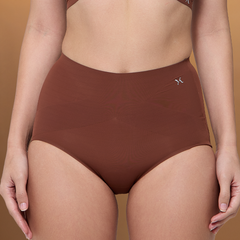
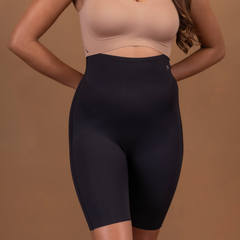
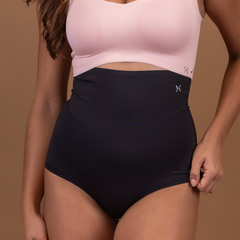
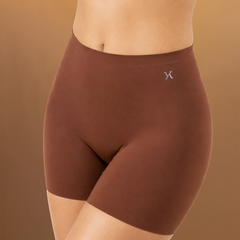
The All Day Control Shaper sits in the right territory for postpartum c-section wear specifically because of what it does and does not do.
The compression level is calibrated for all-day wear, not maximum cinching. This is the most important variable. A postpartum abdomen that is healing from surgery does not need maximum compression. It needs enough compression to feel supported without any pressure that interferes with the healing process or creates discomfort at the incision site. Light to medium compression across an extended wearing period is exactly the range that works here.
The waistband is wide and sits at the natural waist. For c-section recovery, waistband placement is critical. The standard c-section incision sits low on the abdomen, just above the pubic bone, well below the natural waist. A waistband that sits at the natural waist sits above the incision site rather than across it. The All Day Control Shaper's wide waistband holds at the natural waist, which for most women after a c-section means the compression zone begins above the incision and works upward through the midsection rather than pressing against the healing scar.
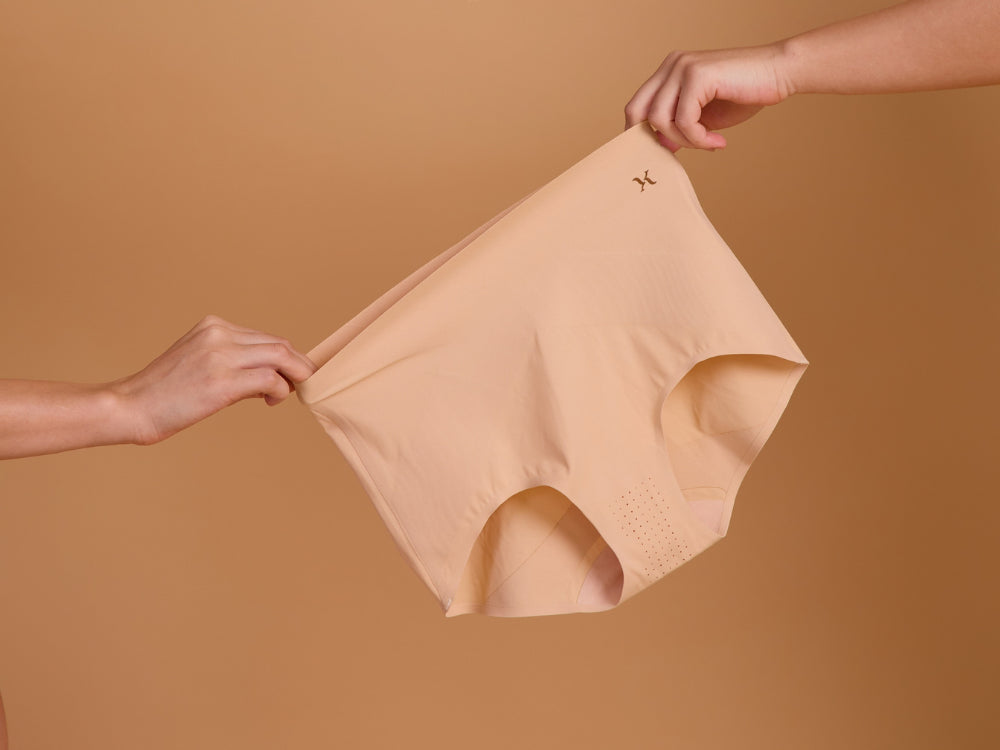
The seamless construction sits without pressure points against sensitive postpartum skin. The incision area and the surrounding skin are sensitive for months after a c-section. Raised seam lines, textured fabric, or anything that creates friction against the lower abdomen adds irritation to an area that is already managing a significant amount of sensation. Seamless bonded construction removes these friction points entirely.
The fabric manages heat and moisture. The polyamide-elastane blend wicks moisture away from the skin rather than holding it, which matters during a postpartum period when temperature regulation is unpredictable and comfort during a full day of activity with a newborn is not negotiable.
It is easy to put on and take off. This sounds minor and is not. In the early weeks of c-section recovery, getting dressed is a process that involves navigating around an incision that is tender and a core that is not yet functional. A shapewear piece that requires significant effort to pull on and off is not practical for this phase. The All Day Control Shaper is a brief-style piece that can be stepped into and pulled up without requiring the abdominal engagement that makes post-surgical dressing difficult.
What to Check Before Wearing
Before introducing the All Day Control Shaper or any compression garment after a c-section, a few practical checks that tell you whether the body is ready:
The waistband placement test. Hold the waistband of the garment against the body and check where it sits. It should sit clearly above the incision site, not touching it or sitting across it. If the waistband in the correct size sits anywhere near the incision, this is not the right piece for this stage of recovery.
The pressure check. Put the piece on and sit down. The waistband and the fabric should feel supportive but not pressing anywhere near the lower abdomen. If there is any pressure at or near the incision site, take it off. The piece is either the wrong size, the wrong style, or the body is not ready for compression yet.
The duration test. Start with a few hours rather than a full day. Wear the piece for two to three hours and check how the body responds. Some warmth and mild awareness of the compression is normal. Any pain at the incision site, increased swelling, or discomfort that builds rather than settles means the compression is too much for the current stage of healing.
The removal test. Remove the piece gently and check the skin around and above the incision. Redness that fades within a few minutes is normal. Persistent redness, marks at the waistband near the incision, or any irritation at the scar site means waiting longer before reintroducing compression.
What Not to Wear in C-Section Recovery
A few specific things that come up regularly in postpartum shapewear conversations that are not appropriate for c-section recovery:
Waist trainers and high-compression corset-style garments. These apply significant pressure across the entire abdomen including the incision site. They are not postpartum garments regardless of how they are marketed, and they are particularly inappropriate after abdominal surgery.
Shapewear with a low waistband that sits at the hip. A waistband sitting at the hip level sits close to or across the incision site for most women. Even light compression at the incision is not appropriate during recovery.
Anything requiring significant abdominal engagement to put on. Stepping into a piece and pulling it up requires some core engagement. Anything requiring more than minimal effort should be deferred until the core is stronger.
Full-body shapers and bodysuits. The compression these apply to the entire torso, including directly over the abdominal wound, makes them inappropriate for c-section recovery regardless of compression level.
The Broader Recovery Picture
Shapewear is one small part of c-section recovery and worth keeping in perspective.
The abdominal muscles that were cut through during a c-section need specific rehabilitation, not just compression. Physiotherapy focused on pelvic floor and core reconnection does the functional recovery work that no garment can replicate. A postpartum physiotherapist, particularly one specialising in pelvic health, is worth seeing alongside whatever garments are being worn, not instead of them.
Movement, rest, nutrition, and sleep, to the extent that a newborn permits sleep, all contribute more to recovery than any single garment choice. The All Day Control Shaper helps with daily comfort and the feeling of support through the midsection during a physically demanding phase. It does not accelerate healing, resolve diastasis recti if present, or do the physiological work of recovery. It makes getting through the day more comfortable while that work happens on its own timeline.
That is enough. Comfort during a demanding recovery phase is a legitimate and worthwhile goal on its own terms.
A Note Before You Start
Everything in this blog is general information about postpartum compression after a c-section. It is not medical advice, and it is not a substitute for the conversation with your doctor or midwife about when your specific body is ready for compression garments.
Every c-section recovery is different. Complications, the type of incision, how healing has progressed, whether there has been any infection or separation at the wound, whether diastasis recti is present, and a range of other individual factors all affect what is appropriate and when. The six to eight week guideline is a general starting point, not a clearance for every body at that point.
Please speak with your doctor before introducing any compression garment after a c-section. That conversation is the right first step, and this blog is a useful second one.
FAQs
When can I start wearing shapewear after a c-section?
The general guideline is six to eight weeks post c-section, but this varies by individual recovery. Always check with your doctor before introducing any compression garment after abdominal surgery. Starting without medical clearance is not worth the risk to a healing incision.
Will the All Day Control Shaper press on my c-section scar?
The waistband of the All Day Control Shaper sits at the natural waist, which for most women is above the c-section incision. Before wearing, check that the waistband sits clearly above the scar and that no part of the garment is pressing against or near the incision site. If there is any contact with the scar, this piece is not appropriate for the current stage of recovery.
What compression level is safe after a c-section?
Light to medium compression, after medical clearance. Heavy compression is not appropriate at any stage of c-section recovery. The goal is support without pressure on the healing abdominal tissue, and light compression in the correct size achieves this without the pressure that heavy compression creates.
Can shapewear help with the c-section pooch?
Shapewear provides light compression that smooths the silhouette while it is being worn. It does not change the underlying tissue or resolve the c-section shelf that some women experience, which is related to scar adhesion and the healing of internal tissue layers. For the c-section shelf specifically, postpartum physiotherapy and scar massage, introduced at the appropriate stage with medical guidance, address the underlying cause more effectively than compression alone.
Is it safe to wear the All Day Control Shaper while breastfeeding?
Yes. The All Day Control Shaper covers the lower abdomen and brief zone and does not apply compression to the chest or bust area, which means it does not interfere with milk supply or breastfeeding positioning. Comfort during breastfeeding sessions depends on whether the waistband sits comfortably while seated and feeding, which most women find manageable once they are past the initial recovery phase.