

Types of Saree Petticoat: How to Choose the Right One for Your Diwali Saree
Reviewed by Dhriti ChopraBrand Manager, KrvvyKey Takeaways
- The right saree petticoat depends on how heavy the saree is and how close you want it to fall.
- Cotton petticoats suit cotton, handloom and heavy silk sarees because they breathe and hold the tuck firmly.
- Satin petticoats help light chiffon and georgette slide instead of cling, but they run warm over a long day.
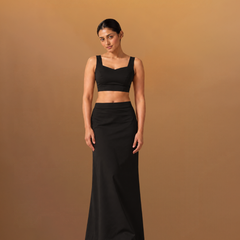
- A fish-cut petticoat gives a slimmer fall through the hips, as long as it opens enough at the knee to sit and walk.
- Shapewear and a petticoat do different jobs, so shapewear goes under the petticoat rather than replacing it.
- Match the petticoat to the saree's base colour; under a sheer saree, the petticoat is part of the look.
- No saree fabric is safe near an open flame, so keep the pallu and hem well away from diyas and crackers.
The right petticoat depends on two things: how heavy your saree is, and how close you want it to fall. A cotton A-line petticoat suits cotton sarees and heavy silks. Satin suits light chiffon and georgette. A fish-cut gives a slimmer fall for party drapes, and a shapewear petticoat gives the sleekest line but also the most heat.
No single petticoat works for every saree, and that is the honest starting point. Most wardrobes are covered by two: one breathable cotton style for everyday and heavy sarees, and one fitted style for lighter, dressier drapes.
Diwali is often the longest day in a saree all year, from the morning puja to a late dinner, so the layer underneath matters more than usual. This guide walks through each type, how to match it to your saree, and how to get the fit, length and colour right. If you are shopping this week, the Krvvy Diwali Sale includes our cotton saree petticoat.
What a Petticoat Actually Does
A petticoat is the anchor for the whole saree. The pleats and the first wrap are tucked into its waistband, and its drawstring carries the weight of five to six metres of fabric for hours. It also sets the shape the saree falls into, which is why the same saree can look sleek over one petticoat and heavy over another.
The most common complaint, a bulky look at the hips, usually starts here. Either the petticoat flares too widely for a light saree, or its fabric is too stiff, so the saree sits on top of it instead of falling past it. Cling works the other way: a light saree over a synthetic layer can stick to it and ride up as you walk.
So choosing a petticoat comes down to two decisions. The fabric decides how the saree slides and how warm you feel. The cut decides the silhouette.
The Five Types of Saree Petticoat
Cotton A-Line Petticoat
This is the classic. It is narrow at the waist and widens gradually to the hem, sometimes in several panels, which is why you will also see it called a kali or panelled petticoat. Cotton breathes, absorbs sweat and grips the tuck, so the pleats stay where you put them. Its honest limit is the flare: under a thin chiffon, a wide A-line can show as extra volume at the hips.
A cotton A-line petticoat works best for cotton, handloom and heavy silk sarees, and for long days in warm weather.
Satin Petticoat
Satin has a smooth, slippery surface, so light fabrics slide over it instead of catching. That has made it the traditional choice under chiffon, georgette and crepe. The trade-off is comfort. Most satin petticoats are polyester, which holds heat, builds static and can feel sticky after a few hours.
A satin petticoat works best for lightweight chiffon, georgette and crepe sarees worn for a few hours rather than a whole day.
Silk or Silk-Blend Petticoat
A silk petticoat has some of satin's smoothness with better breathability, and it sits well under heavy wedding silks. It costs more, usually needs dry cleaning, and exact colour matches can be hard to find.
A silk or silk-blend petticoat works best under heavy wedding silks when the budget allows.
Fish-Cut or Mermaid Petticoat
A fish-cut is fitted through the hips and thighs and flares out lower down, so the saree follows the line of the body rather than standing away from it. It gives the slimmer drape many people want for parties and receptions. The limit is movement. If the flare starts too low, sitting on the floor and taking long steps both get harder, so check where the flare begins before you buy.
Krvvy's Cotton Saree Shaper Petticoat is a fish-cut made in 98% cotton and 2% elastane, so it keeps cotton's breathability and grip with a little stretch for walking, sitting and dancing. It shapes by cut with very light compression, and it will not cinch the waist. There is more on how it was designed in our launch post.
A fish-cut petticoat works best for party drapes and georgette or sequinned sarees, and for anyone who wants a slimmer fall without a synthetic layer.
Shapewear Petticoat
These are stretch-knit petticoats, usually nylon or polyester with spandex, cut close from waist to ankle. Brands like Zivame and Clovia sell them as saree shapewear. They give the sleekest line of any option. They are also the warmest, and many have an elastic waist with no drawstring, which may not hold a heavy tuck all day.
A shapewear petticoat works best for lightweight or pre-draped sarees worn for an evening.
The Five Types at a Glance
| Type | Best sarees | Breathability | Watch out for |
|---|---|---|---|
| Cotton A-line | Cotton, handloom, heavy silk | High | Wide flare can add bulk under thin sarees |
| Satin | Chiffon, georgette, crepe | Low | Heat, static, stickiness |
| Silk or silk-blend | Heavy wedding silks | Medium | Cost and dry cleaning |
| Fish-cut | Party drapes, georgette, sequins | High in cotton, low in synthetics | A flare that starts too low limits sitting |
| Shapewear petticoat | Lightweight and pre-draped | Low | Heat; an elastic waist may not hold a heavy tuck |
How to Match the Petticoat to Your Saree Fabric
Heavy silks such as Kanjeevaram and Banarasi need a petticoat that can carry their weight and grip a thick tuck. Cotton does that best. Satin under a heavy silk tends to let the pleats loosen over a long day, so keep satin for lighter fabrics.
Cotton and handloom sarees pair well with cotton petticoats, because both breathe and the tuck holds without slipping. A traditional A-line suits the classic drape, while a cotton fish-cut gives the same comfort with a narrower fall.
Chiffon, georgette and crepe are light and fluid, so they take the shape of whatever sits underneath, and a wide flare shows straight away. Choose a narrower cut. Satin works for a few hours; a cotton fish-cut is cooler if you will be in the saree all day. Light fabrics also gain the most from a smooth base, which we cover in how shapewear helps a saree drape.
With organza, net and tissue, colour matters more than type, because the petticoat shows through. A smooth, fitted petticoat keeps the line clean. Visible panel seams or a contrasting waistband will show as well.
Pre-draped sarees usually come with stitched pleats and a fitted waist. A close-fitting petticoat suits them best, since a wide flare fights the stitched shape. Check that the saree's waistband sits over the petticoat's, not above it.
Fit, Length and Where to Tie It
Measure your waist where you will actually tie the petticoat, and your hips at the fullest point. For an A-line, the waist measurement matters most, because there is room through the hips. For a fish-cut, the hip measurement decides: if it is tight at the hips, it will pull every time you sit. If you are between two sizes, take the larger one.
Sizing down for a slimmer look rarely works. A petticoat that is too small pulls at the seams, rides up when you sit and makes the tuck harder to hold.
Tie the petticoat at the height you drape the saree. Many drapes sit at or just below the navel, but this is personal. The drawstring should sit exactly where the top edge of the saree will be, otherwise the waistband shows above it or the saree slips below it. Try the full drape once at home before the day.
For length, the hem should end just above the ankle in the footwear you plan to wear. Too long and it peeks out below the saree and catches underfoot. Too short and the saree loses its fall at the hem. Heels change the answer, so check with the actual pair.
Getting the Petticoat Colour Right
Match the petticoat to the saree's base colour, not to the border or the print. For a saree with several colours, take the main colour of the lower half, where the pleats fall.
Under a sheer saree, the petticoat becomes part of the look, so the match needs to be close. When you cannot find one, a shade near your skin tone is a safer fallback than white, which tends to glow through.
For an exact match, the Cotton Saree Shaper Petticoat comes in a Ready for Dye shade that arrives undyed in natural cotton. Dye it with the saree in hand rather than from a photo, since every batch takes colour slightly differently, then rinse in cold water until the water runs clear.
Petticoat or Shapewear: Do You Need Both?
They do different jobs. The petticoat shapes the saree: it holds the tuck and sets the fall. Shapewear smooths the body underneath. You need a petticoat for almost every drape; shapewear is a choice, and plenty of people skip it.
Shapewear rarely replaces a petticoat, because most styles cannot hold a tuck and pleats as firmly as a tied drawstring. Shapewear petticoats with a drawstring are the exception, though they bring the heat that comes with stretch fabric.
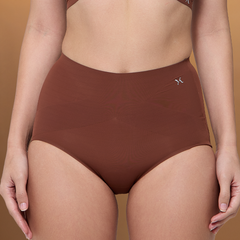
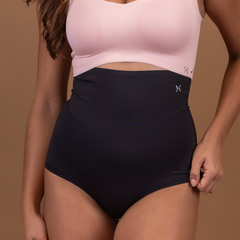
If you wear both, the shapewear goes on first and the petticoat over it. Shapewear worn on top of the petticoat adds a layer between the petticoat and the saree and pushes the pleats out of line, which we explain in saree shapewear vs dress shapewear. Pick a style whose waistband sits flat where the drawstring ties, so the knot does not press on a rolled edge. The All Day Control Shaper is a brief with light to medium compression and a wide waistband that stays steady under a tied petticoat.
On a long, hot day, comfort can outweigh a smoother line, and a well-fitted petticoat on its own is enough. If you do want shapewear, our festive shapewear guide matches the compression to the number of hours you will wear it.
Wearing It Through a Long Diwali Day
Diwali asks a lot of one outfit. There is the puja on the floor, cooking for a full house, guests through the evening and crackers late at night.
Start with a sitting test. Puja usually means sitting cross-legged, so sit on the floor in your petticoat before the day. If a fish-cut pulls across the thighs or knees, go up a size or wear an A-line for the puja and change before the evening.
Heat comes next. Between a busy kitchen and a full house, cotton stays cooler than satin or a stretch blend. If you will be cooking, a shapewear petticoat is the least comfortable choice.
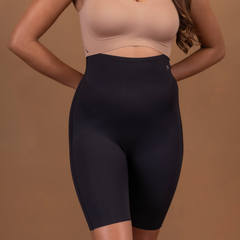
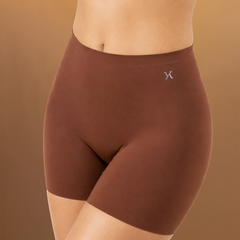
Long hours of standing and walking also mean inner thighs can rub under a saree. All Day Shaper Shorts sit under the petticoat with light compression and reach the upper thigh, where the rubbing happens. There is more in our guide to stopping thigh chafing.
Then there are the flames. The usual Diwali advice is to wear cotton, but the picture is more mixed. A WHO-sponsored study by IIT Delhi, reported by Outlook, found that cotton saris caught fire faster and burned with larger flames, while synthetics burned more slowly but melted. Loose, flowing fabric is the real risk, whatever it is made of. Pin or tuck the pallu while you light diyas, keep the hem clear of lamps on the floor, and step well back from crackers.
Whatever you choose, wear the full outfit once at home before Diwali. Sit, walk, climb a few stairs and tie the drape at your usual height. Anything that pulls, slips or rolls will show itself there, not halfway through the evening.
FAQs
Which petticoat is best for a silk saree?
A cotton A-line or a silk-blend petticoat. Heavy silks like Kanjeevaram and Banarasi need a firm tuck and a drawstring that can carry their weight, and cotton does both while letting skin breathe. Satin under a heavy silk can let the pleats slip during the day.
Can I wear shapewear instead of a petticoat?
For most drapes, no. Shapewear smooths the body, but most styles cannot hold the tuck and pleats as firmly as a tied petticoat. Wear the shapewear first and the petticoat over it.
Can you sit on the floor in a fish-cut petticoat?
Yes, if the flare starts at or above the knee and the fit through the hips is not tight. Try sitting cross-legged at home before the day. If it pulls, go up a size or wear an A-line for the puja.
Is a satin petticoat good for a warm day?
Satin runs warmer than cotton and can feel sticky after a few hours. For warm weather or a full day of functions, a cotton or cotton fish-cut petticoat is easier to wear.
What colour petticoat should I wear with a net or organza saree?
Sheer fabric shows what sits underneath, so match the saree's base colour as closely as you can or dye a petticoat to match. A shade close to your skin tone is the next best option. White under a coloured sheer saree tends to show.
How do I choose my petticoat size?
Measure your waist where you will tie the petticoat and your hips at the fullest point, then use the brand's size chart. For a fitted or fish-cut style, the hip measurement decides. If you are between sizes, take the larger one.
Why does my saree look bulky at the hips?
Usually the petticoat is the cause: too much flare, fabric too stiff for the saree, or a drawstring tied higher than the drape. A narrower cut or a lighter fabric often solves it.
Reviewed by the Krvvy Content Team, November 2026